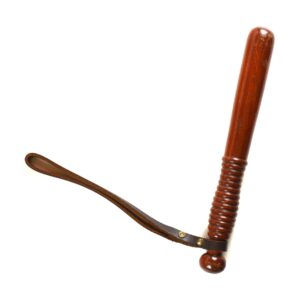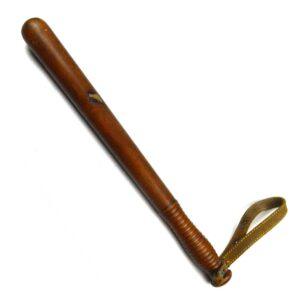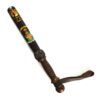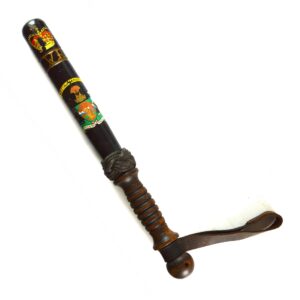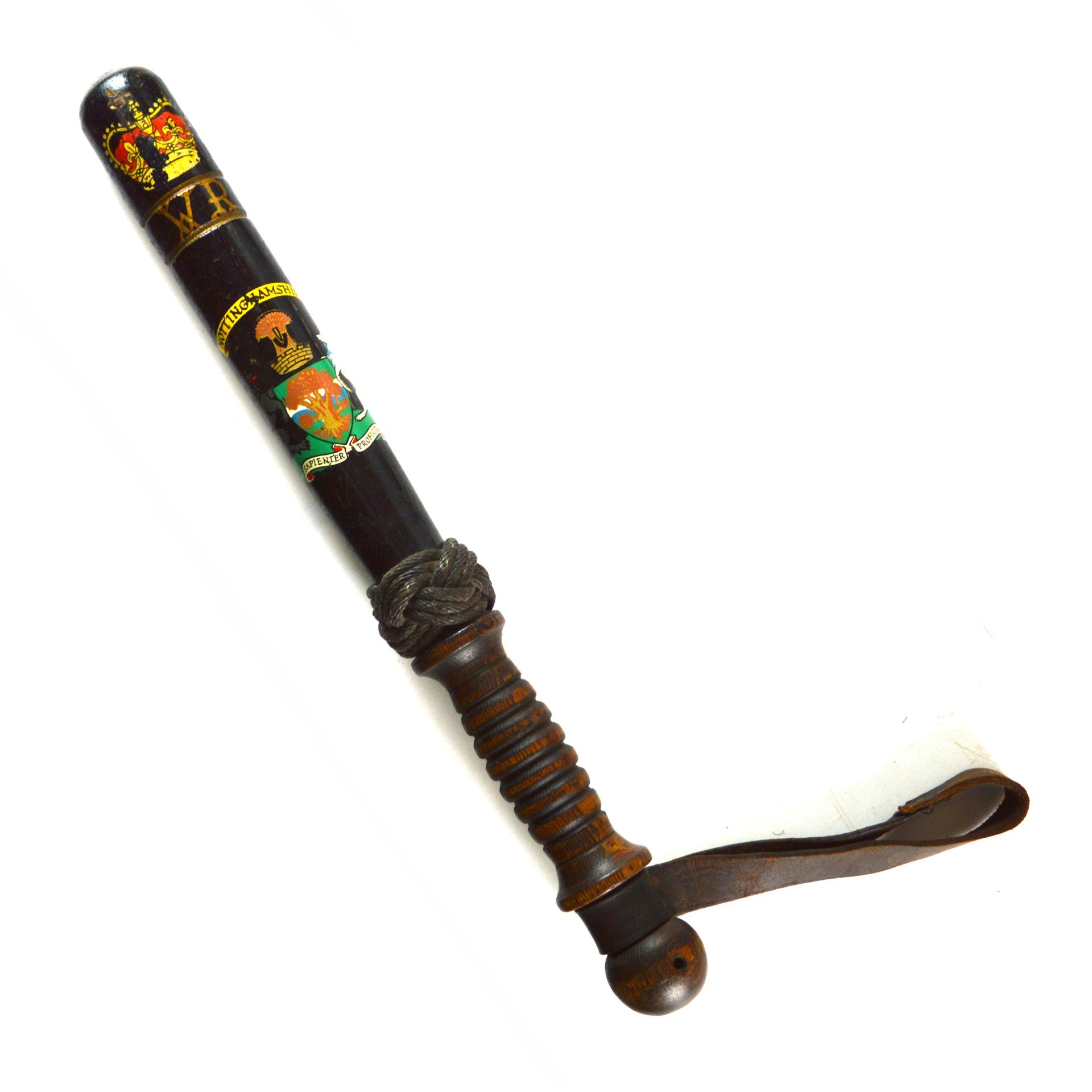
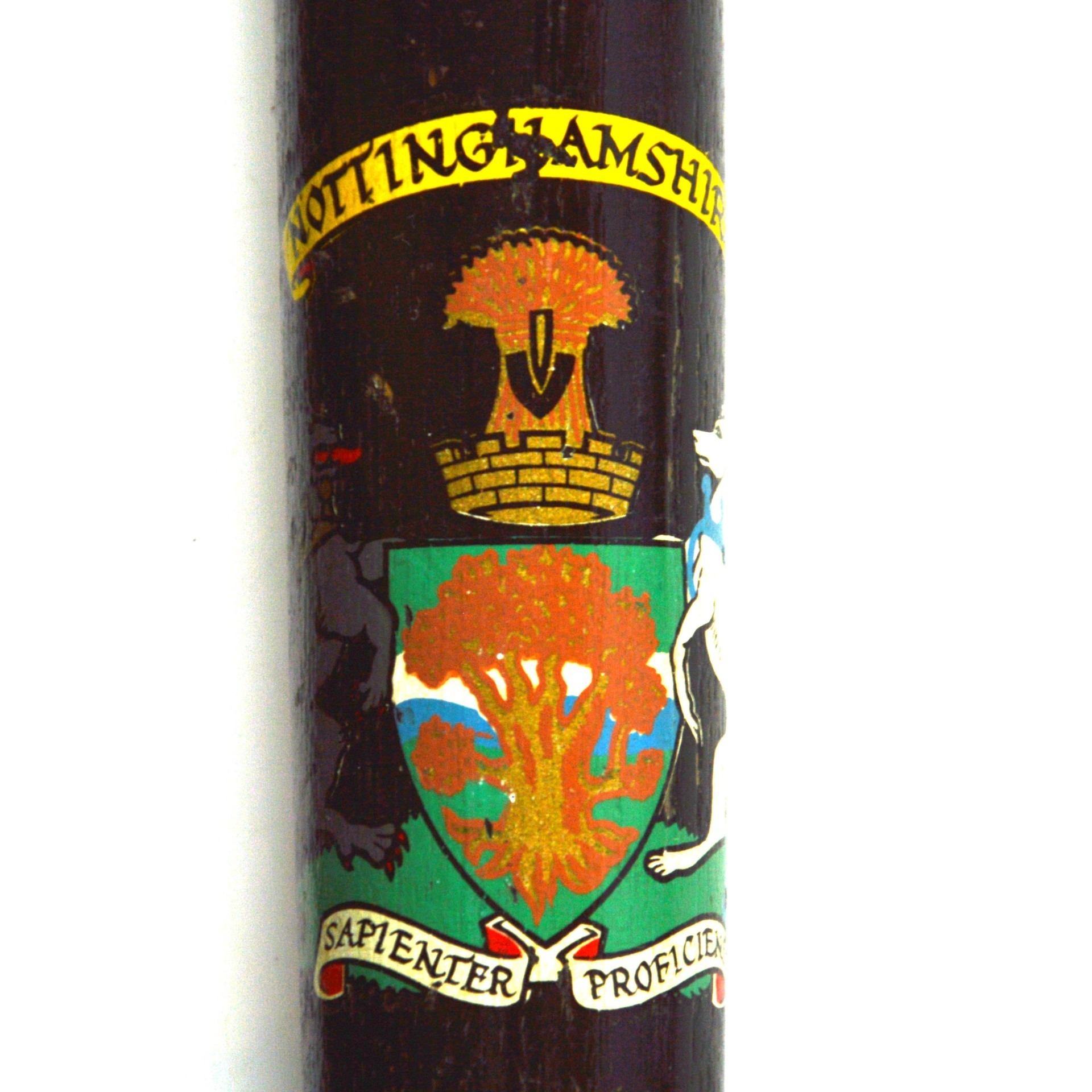
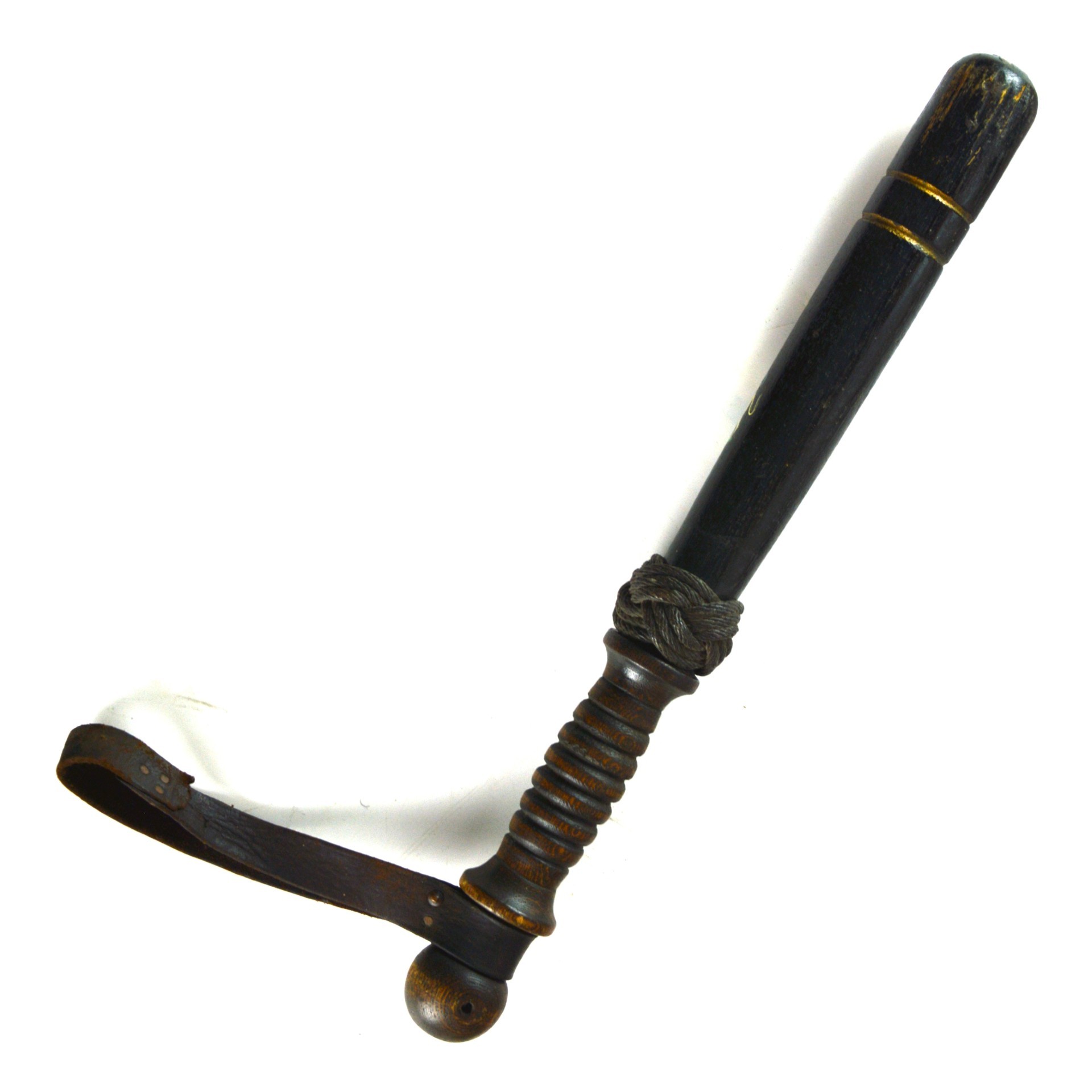
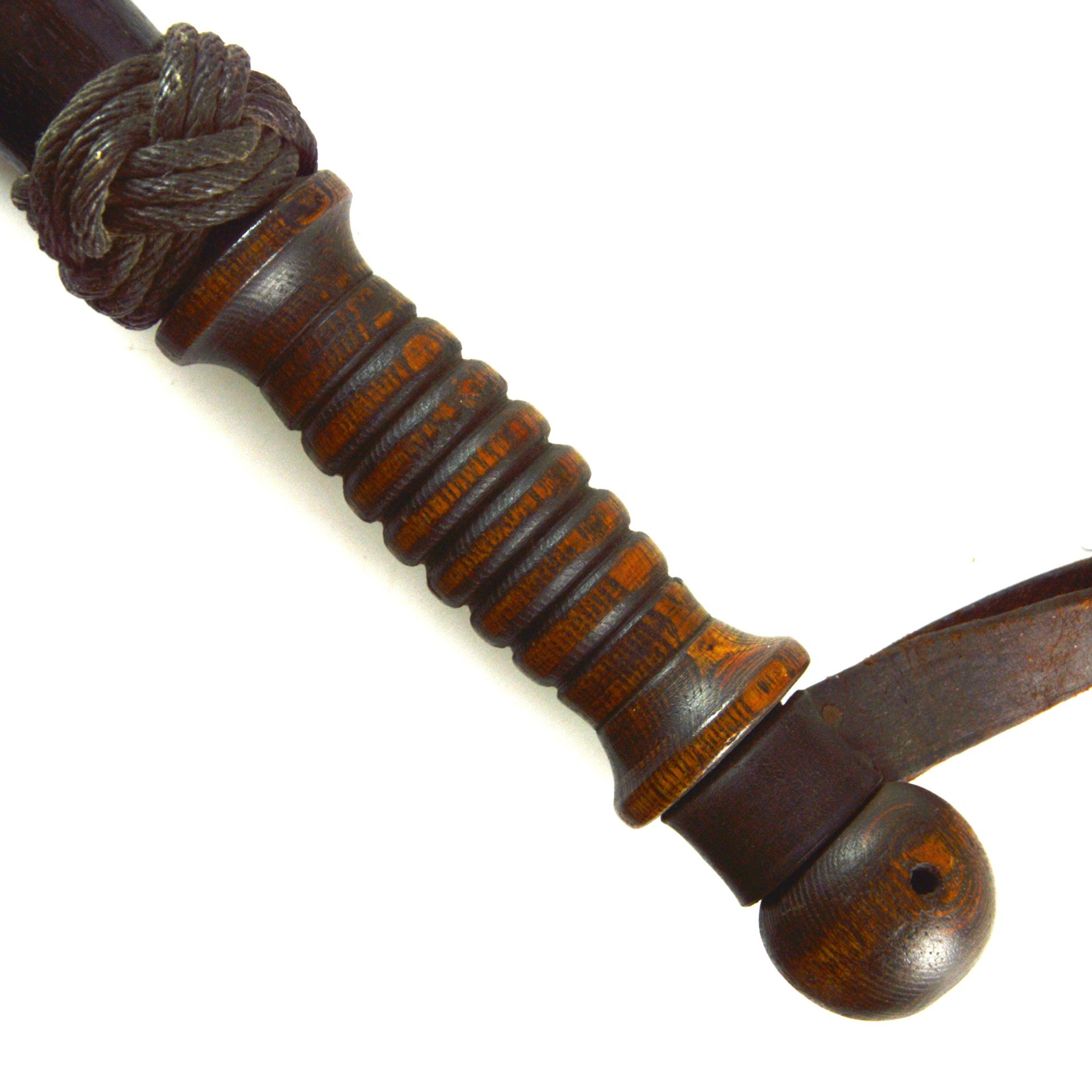
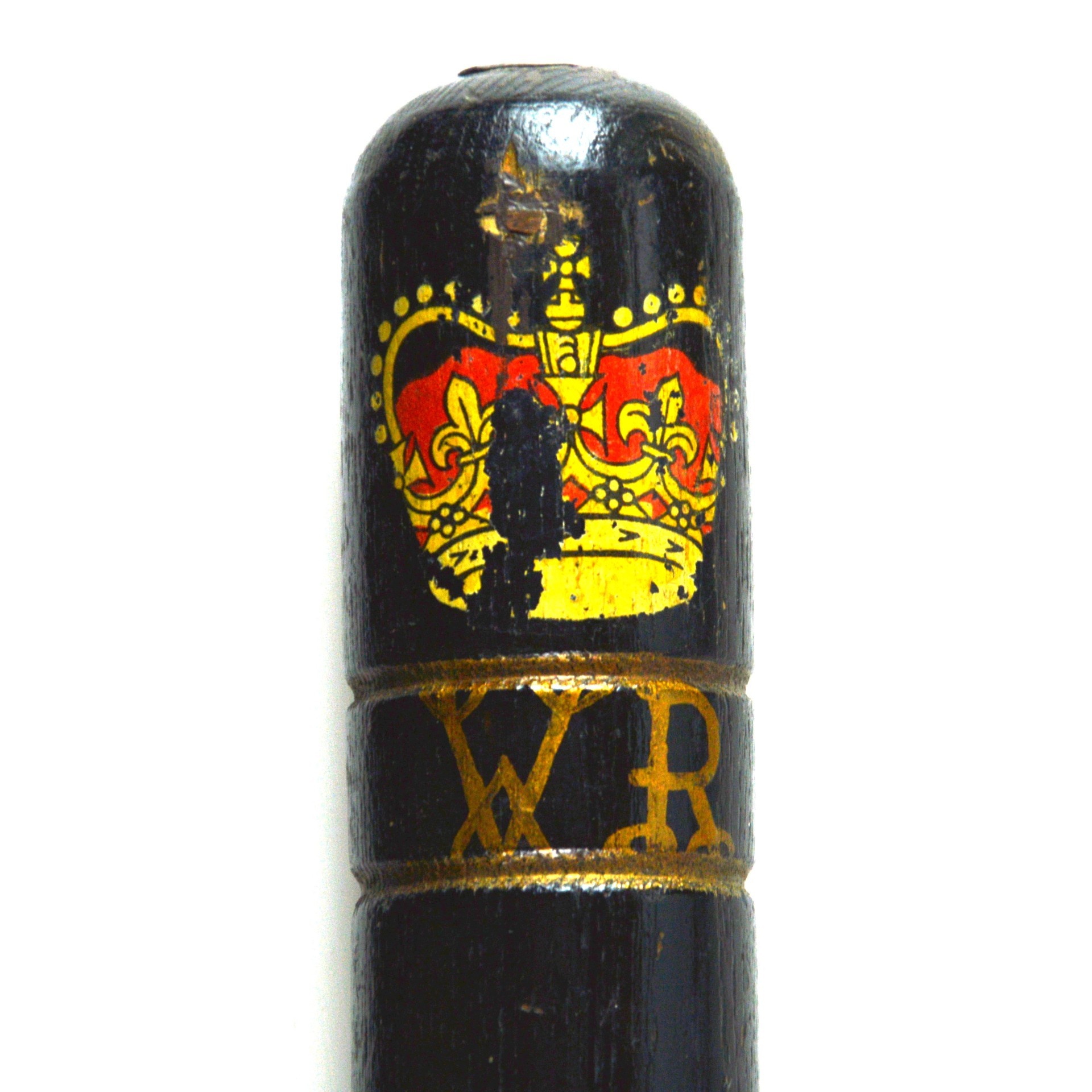
Crafted in the style of the original nineteenth-century examples, this reproduction truncheon replicates those issued to members of the Nottinghamshire Constabulary during the early years of organised policing. Truncheons of this period prominently displayed the Royal Cypher of William IV together with the county or force designation, serving both as a symbol of authority and as an item of personal equipment.
The establishment of county police forces followed the passage of the County Police Act 1839, which enabled counties throughout England and Wales to create professional constabularies. The Nottinghamshire Constabulary was formed in 1840, making it one of the earliest county police forces established after the success of the Metropolitan Police in London.
During the reign of William IV (1830–1837), and in the years immediately following, police officers were generally unarmed, relying on wooden truncheons as their principal means of defence and as a visible badge of office. Each truncheon was often individually painted with the Royal Cypher, Crown, and force insignia, making surviving originals highly collectable and valuable examples of early British policing.
This reproduction faithfully captures the appearance and style of the original William IV pattern, making it ideal for historical displays, educational collections, museum interpretation, theatrical productions, and re-enactment. While closely modelled on period examples, it is offered strictly as a modern reproduction and not as an original nineteenth-century artefact.
Dimensions
Approx. 460mm length (depending on pattern)
Condition
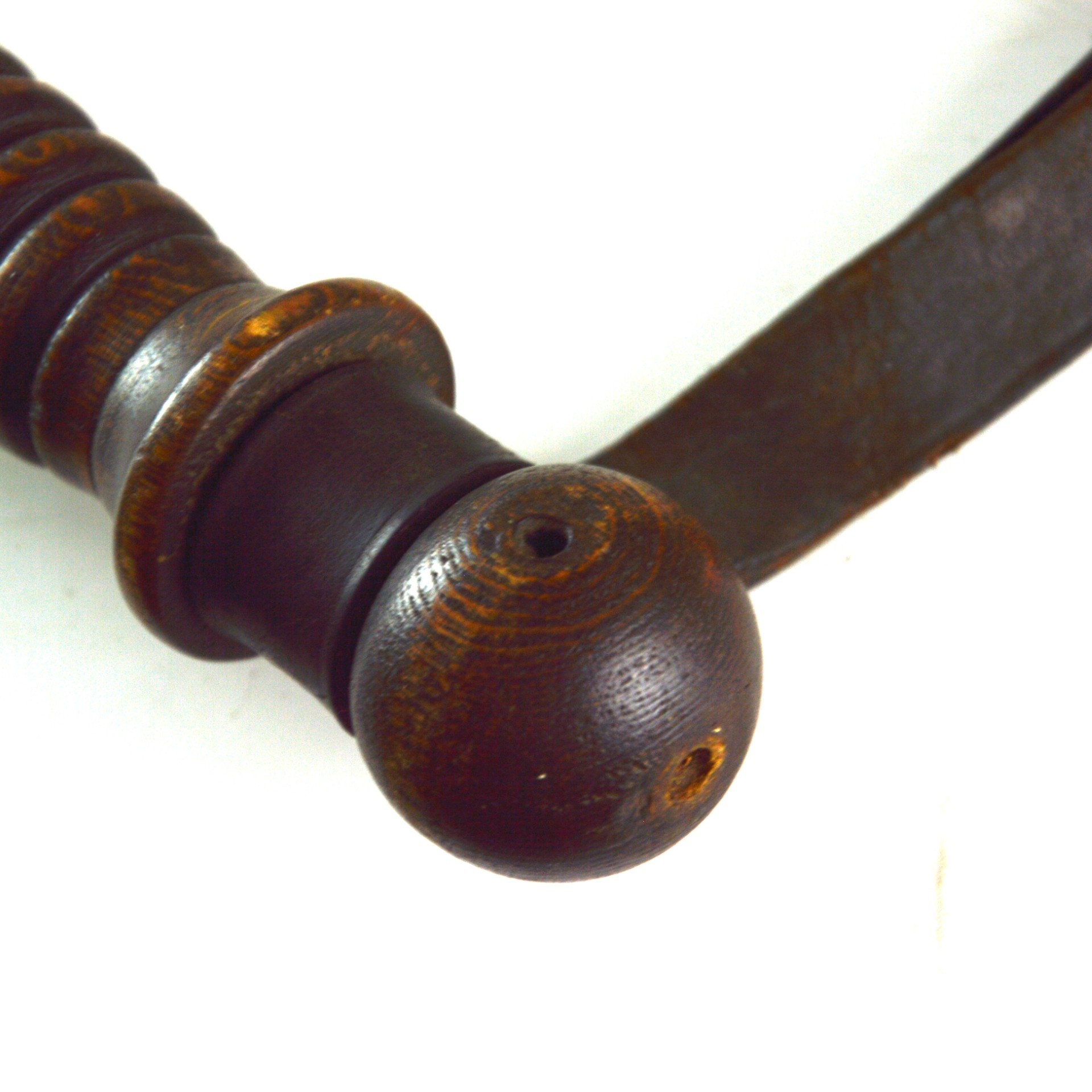
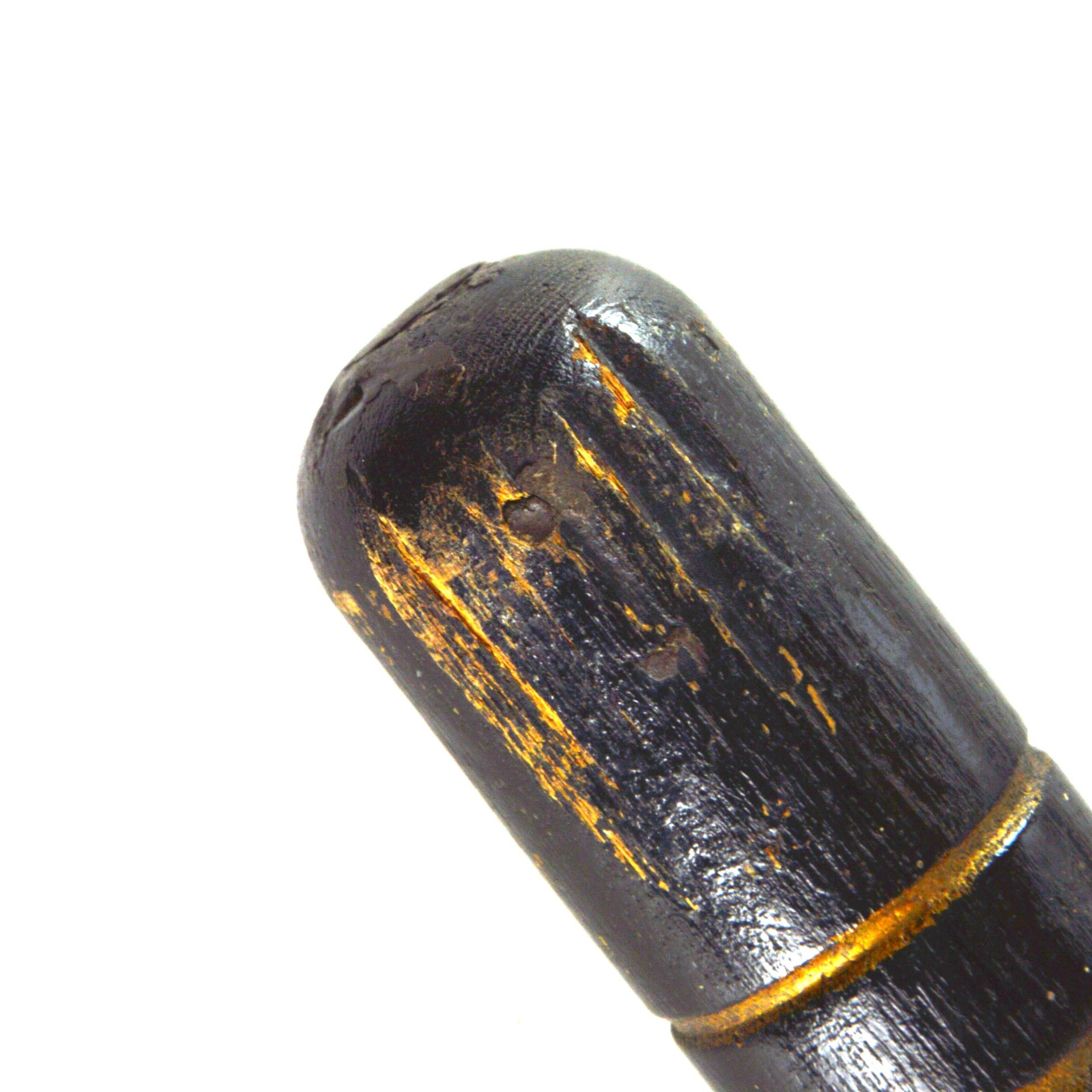
Good reproduction condition. Some notable damage to the decal and head of the truncheon. An attractive display-quality reproduction of the early William IV Nottinghamshire Constabulary truncheon.