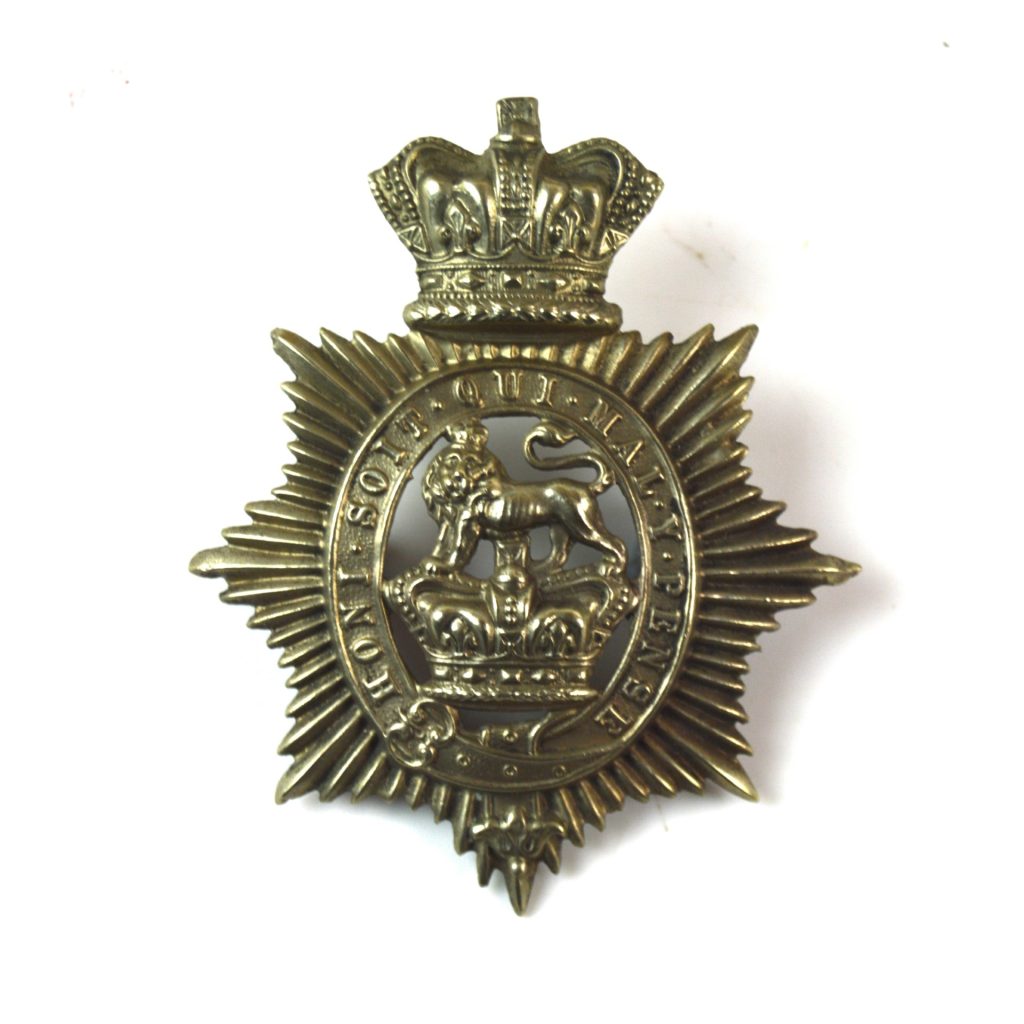
- Introduction to Napoleonic Headdress Insignia
- The Historical Context
- The British Army During the Napoleonic Wars
- Evolution of the Shako
- Types of Headdress Plates
- Infantry Shako Plates
- Cavalry Helmet Plates
- Militia and Volunteer Plates
- Officers’ vs Other Ranks’ Plates
- Identifying and Dating Plates
- Royal Cyphers and Crowns
- Regimental Numbers and Devices
- Construction, Materials, and Manufacture
- Battle Honours and Campaign Devices
- Collecting Napoleonic Headdress Plates
- Rarity and Value
- Authentication
- The French Connection
- Building a Collection
- Where to Find Napoleonic Plates
- Conservation and Display
- Regional and Regimental Variations
- Militia, Yeomanry, and Volunteer Plates
- Construction, Materials, and Quality
- Further Reading and Research Resources
- The Market Today: What to Expect
Introduction to Napoleonic Headdress Insignia
The headdress plates and badges of the Napoleonic era (1799–1815) represent some of the most visually striking and historically significant objects available to militaria collectors. These brass, copper, and white-metal plates adorned the shako — the tall, cylindrical military hat that was universal in European armies from the late 18th century through the mid-19th century — as well as helmets, bearskin caps, and light cavalry helmets. [1]
For collectors of pre-Victorian British militaria, shako plates are the equivalent of the later cap badge: they identify the regiment, display Royal and regimental heraldry, and represent increasingly scarce survivals from a pivotal period in British military history. Unlike most cap badges — which survive in quantities of hundreds or thousands — Napoleonic-era headdress plates exist in very small numbers, making them among the most prized items in the British militaria market.
The Historical Context
The British Army During the Napoleonic Wars
Between 1793 and 1815, Britain was almost continuously at war with Revolutionary and Napoleonic France. The British Army expanded dramatically, from approximately 40,000 regular troops in 1793 to over 250,000 by 1813. Alongside the regulars, the Militia, Fencible regiments, and Volunteer units raised the total armed forces to well over 500,000 men. Each of these units — regulars, militia, and volunteers — wore distinctive headdress plates, creating an enormous variety of patterns. [2]
The principal campaigns of the period — Egypt (1801), the Peninsular War (1808–1814), the Walcheren Expedition (1809), the War of 1812 (in North America), and the Waterloo campaign (1815) — all saw British troops wearing the shako with its characteristic plate. The plates that survive from these campaigns are genuine relics of some of the most famous battles in British history.
Evolution of the Shako
The British adopted the shako from Continental practice around 1800, replacing the earlier cocked hat (bicorne) for infantry. The shako evolved through several patterns during the Napoleonic period:
- Stovepipe Shako (1800–1812) — the first British shako, tall and cylindrical with minimal taper. Worn with a large brass plate.
- Belgic or “Waterloo” Shako (1812–1816) — shorter, with a false front giving a forward-raking appearance. Introduced after the Peninsula experience showed the stovepipe was impractical. This is the shako worn at Waterloo.
- Regency Shako (1816–1829) — a post-war pattern, taller again, with a bell-top shape.
Each pattern change brought corresponding changes in the plate design, providing collectors with a means of dating plates within narrow time windows. [1]
Types of Headdress Plates
Infantry Shako Plates
The standard infantry shako plate consisted of a large rectangular or diamond-shaped brass plate bearing the Royal cypher (GR for George III, or GR with a Guelphic crown for the Regency period), the regimental number, and often additional devices such as laurel wreaths, the Sphinx (for Egyptian campaign regiments), or battle honours. [2]
Light infantry and rifle regiments had distinctive plates: the Light Infantry bugle horn, the 95th Rifles’ distinctive stringed bugle, and various light company designations. Grenadier company plates often incorporated a flaming grenade device.
Cavalry Helmet Plates
Heavy cavalry (Dragoon Guards, Dragoons) wore helmets with large rectangular or oval plates. Light cavalry (Light Dragoons, Hussars) wore shakos or fur-crested helmets with smaller plates or bosses. The Life Guards and Royal Horse Guards wore distinctive helmet plates with the Royal Arms.
Militia and Volunteer Plates
The proliferation of militia and volunteer units during the Napoleonic emergency produced an extraordinary variety of shako plates. County militia regiments bore county devices; volunteer units adopted local heraldry, patron’s arms, or patriotic motifs. These plates are often the rarest and most sought-after, since the units they represented were disbanded after the peace of 1815 and their equipment dispersed. [1]
Officers’ vs Other Ranks’ Plates
Officers’ plates were typically of higher quality — gilt brass, silver-plated, or even solid silver — with finer detail and better finish. Other ranks’ plates were stamped brass, often with simpler designs. Officers’ plates command a significant premium: an officer’s plate from a named regiment can be worth five to ten times the equivalent other-ranks plate. [2]
Identifying and Dating Plates
Royal Cyphers and Crowns
The royal cypher is the primary dating aid. George III’s “GR” cypher appears on plates from 1760 to 1820. From 1811, the Prince Regent’s cypher “GR” with a distinctive Guelphic crown appears. George IV’s cypher “GR” with his specific crown is found on plates from 1820. The crown design also helps: the Hanoverian crown (used to 1816) differs from the later design. [1]
Regimental Numbers and Devices
The regimental number is usually the clearest identifier. During the Napoleonic period, British infantry regiments were numbered sequentially (1st Foot through to the 104th Foot at the army’s maximum expansion). Cross-referencing a plate’s number and devices with published regimental references allows positive identification.
Construction, Materials, and Manufacture
Genuine Napoleonic-era plates were made from sheet brass, stamped and/or hand-finished. They should show hand-soldered fastening loops on the reverse (not modern machine solder). The brass should have a warm, aged tone — not the bright, brassy colour of modern reproductions. Traces of original gilding (gold wash) may survive on officers’ plates. [2]
The manufacturing process typically involved die-stamping the basic shape from sheet brass, then hand-finishing details with engraving tools. The thickness of the brass varies but is generally heavier than modern reproductions. Edges were often hand-trimmed, leaving slight irregularities that distinguish originals from machine-cut reproductions.
Battle Honours and Campaign Devices
Some plates incorporate battle honour scrolls or campaign devices that provide additional dating evidence. The Sphinx device (awarded for service in Egypt, 1801) appears on plates of regiments such as the 28th, 42nd, and 54th Foot. Peninsula War honours (“PENINSULA”, “TALAVERA”, “BADAJOZ”) were awarded from 1811 onward and may appear on later patterns. [1]
These devices not only help date and identify the plate but also connect it to specific campaigns, adding enormously to its historical interest and value.
Collecting Napoleonic Headdress Plates
Rarity and Value
Napoleonic-era headdress plates are genuinely rare. Survival rates are low — many were melted down when headdress patterns changed, and others were lost on battlefields across Europe. A common regular infantry other-ranks plate might start at £300–£500; a rare militia or volunteer plate can reach £1,000–£3,000. Officers’ plates from named regiments with battle honours regularly exceed £2,000–£5,000 at auction. [1]
| Type | Typical Range | Premium Examples |
|---|---|---|
| Regular infantry OR shako plate | £300 – £600 | Rare regiment: £800+ |
| Regular infantry officer plate | £600 – £1,500 | Named/battle honour: £2,000+ |
| Light infantry/rifles plate | £400 – £800 | 95th Rifles: £1,200+ |
| Cavalry helmet plate | £500 – £1,500 | Heavy dragoon: £2,000+ |
| Militia/volunteer plate | £200 – £1,000 | Rare unit: £2,000–£3,000+ |
| Grenadier or flank company plate | £400 – £800 | With sphinx: £1,000+ |
Authentication
Fakes exist, though they are less common than in the cap badge market because the investment required to produce convincing reproductions is higher. Key authentication points include:
- Correct brass alloy and thickness for the period
- Hand-finished edges (not machine-cut)
- Period-correct fastening loops (hand-soldered, often crudely)
- Consistent aging and patina (not chemically applied)
- Design elements matching published references
- Provenance — documented collection history adds confidence
The French Connection
French Napoleonic headdress plates are equally collectable and often more visually dramatic than British examples. The Imperial eagle (aigle de casque) that surmounted the shako of French infantry is an iconic symbol of the Napoleonic era. French regimental plates bearing the eagle, regimental number, and “Empire Francais” inscription are sought after by collectors worldwide. [2]
Other nations’ Napoleonic headdress items — Prussian, Russian, Austrian, Spanish — also have dedicated collecting followings, though the British market naturally gravitates toward British and French items.
Building a Collection
Given the rarity and cost, most collectors focus on a specific area: a single regiment across pattern changes, militia plates from a particular county, or plates from a specific campaign (Peninsular, Waterloo). Others collect by type — officers’ plates, light infantry, or cavalry. [2]
Key reference works include Brian Robson’s Swords of the British Army (which covers headdress in context), Parkyn’s Shoulder Belt Plates and Buttons, and the monumental Kipling and King Head-Dress Badges of the British Army (which primarily covers later periods but provides essential context). [1]
Where to Find Napoleonic Plates
Sources include specialist militaria auctions (Bosleys, C&T, Dix Noonan Webb), established dealers who handle pre-Victorian material, and occasionally general antique fairs where plates turn up in mixed lots. Military museum deaccessions are rare but can produce exceptional pieces. Online purchases of high-value pre-Victorian items should be approached with extreme caution — always request detailed photographs including the reverse, and buy only from sellers with established track records. [2]
The rarity of Napoleonic headdress plates means that patience is the collector’s greatest virtue. Good pieces appear infrequently and are competed for fiercely. Building a quality collection of Napoleonic plates is a decades-long endeavour — but one that rewards the patient collector with objects of extraordinary historical resonance.
Conservation and Display
Napoleonic-era brass plates should be stored and displayed with care. Do not polish — the aged patina is both historically appropriate and desirable. Store in acid-free tissue in a dry environment. Display in a UV-filtered cabinet if possible. Handle by the edges; the oils from fingerprints can cause corrosion over time. [1]
If a plate needs cleaning (to remove active corrosion or heavy dirt accumulation), consult a professional conservator rather than attempting DIY cleaning. The value of these items makes professional conservation a worthwhile investment.
Regional and Regimental Variations
While the broad patterns of British shako plates are well established, the true depth of the subject lies in the extraordinary diversity of regimental and regional variations. Every regiment of the British Army bore its own distinctive plate, and these differences provide one of the richest fields for specialist collectors. [1]
The line infantry regiments typically bore a plate featuring the regimental number within a wreath or star, surmounted by the Royal crown. However, many regiments had received battle honours or royal patronage that entitled them to additional heraldic elements. The Royal Welsh Fusiliers bore the Prince of Wales’s feathers; the King’s Own Scottish Borderers displayed the castle of Edinburgh; the Gloucestershire Regiment earned the distinction of wearing a badge both front and back after the Battle of Alexandria in 1801 — and their shako plate reflects this unique honour. [1]
The light infantry and rifle regiments often had distinctively different plate patterns. The Rifle Brigade and the 60th Rifles (later the King’s Royal Rifle Corps) used a bugle-horn motif rather than the standard star or crown designs. These plates were typically finished in blackened brass rather than the polished brass of line regiments, reflecting the preference for non-reflective fittings among units trained in skirmishing and fieldcraft. [1]
Militia, Yeomanry, and Volunteer Plates
The various part-time military forces of the 19th century produced an even wider range of shako plates than the regular army. The militia regiments — county-based infantry units intended for home defence — each bore their own distinctive plate, often incorporating the county coat of arms or other local heraldic devices. These militia plates are particularly sought after by collectors with connections to specific counties. [2]
The yeomanry (mounted volunteer cavalry) produced some of the most ornate helmet and shako plates of the period. Yeomanry units were often raised and funded by local landowners, and their accoutrements reflected the wealth and taste of their patrons. Many yeomanry plates are works of art in their own right — finely detailed dies producing richly detailed heraldic compositions far exceeding the standard of regular army issue. [2]
The Volunteer Force, established in 1859 amid fears of French invasion, created an explosion of new plate designs. Each Volunteer Rifle Corps adopted its own badge and plate, frequently incorporating local civic symbols, county arms, and patriotic emblems. The sheer number of Volunteer units means that many of these plates are extremely rare today — some units existed for only a few years before amalgamation. A complete collection of British Volunteer plates would number in the thousands and is effectively impossible to achieve, which adds to the fascination for specialist collectors. [2]
Construction, Materials, and Quality
Shako plates were manufactured by specialist die-stamping firms, many based in Birmingham — the centre of the British metalworking trades. The principal manufacturers included:
- Jennens & Co., Birmingham — one of the largest military outfitters, producing plates, buttons, and other fittings
- Firmin & Sons, London — button and plate makers to the Crown, active from the 18th century
- Hawkes & Co., Savile Row — military tailors who supplied complete outfitting including headdress plates
- J.R. Gaunt & Son, Birmingham — major manufacturer of military badges and plates from the Victorian era onward
Most plates were die-stamped from sheet brass, typically 0.8–1.2mm thick. Higher-quality officer’s plates were often gilt (gold-plated) and might incorporate silver, enamel, or other materials. Some officer’s plates were made by the lost-wax casting method, producing a heavier, more three-dimensional effect. The difference in weight between a stamped other-ranks plate and a solid cast officer’s version of the same pattern is immediately noticeable. [2]
The fixing method provides useful dating evidence. Early plates (pre-1830) typically used soldered-on loops or split-pin fixings. By the 1840s, stamped integral lugs became standard — bent tabs on the reverse that pushed through the shako body and folded flat. Some plates used a combination of lugs and a screw-post. The type, position, and style of fixings can help to distinguish between apparently identical plates from different periods or manufacturers. [2]
Further Reading and Research Resources
The following resources are invaluable for the serious shako plate collector:
- Head-dress of the British Army: Yeomanry by Arthur L. Kipling and Hugh L. King — the standard reference for yeomanry headdress and plates
- British Military Badges by Frederick Wilkinson — broad coverage including shako-era plates
- The Military Historical Society — publishes Doyen and other journals with regular articles on headdress and plates
- The National Army Museum, London — holds an extensive collection of headdress and plates, much of which is accessible to researchers by appointment
- Regimental museums — most British regiments maintain museums with significant collections of their own headdress plates, often with documentation linking specific plates to individual officers
The Market Today: What to Expect
The market for British shako plates has matured considerably over the past two decades. Prices have risen steadily as the supply of fresh-to-market pieces has diminished — most significant examples are now in established collections, and new material tends to appear only through estate sales or the dispersal of old collections. The internet has broadened the buyer pool internationally, with strong demand from collectors in the United States, Canada, Australia, and South Africa as well as the traditional British market. [2]
For the new collector entering this field, patience and education are the best investments. Study the reference works, attend viewings at the specialist auction houses (Bosleys, Dix Noonan Webb, Warwick & Warwick), and build relationships with established dealers. A well-chosen shako plate, properly researched and displayed, is not merely a collectible — it is a direct physical connection to the soldiers who wore it into battle, on parade, and across the furthest reaches of the British Empire. The stories these plates can tell, when properly investigated and understood, are among the most fascinating in the whole field of military collecting. [2]
New collectors should also consider attending the major militaria fairs — Aldershot, Detling, and the Northern Militaria Fair — where specialist headgear and badge dealers regularly exhibit. Handling genuine examples builds an instinctive sense of weight, quality, and patina that no amount of book learning can replace. Many experienced collectors are generous with their knowledge and will willingly help a newcomer identify an unfamiliar piece or confirm a tentative attribution. The collecting community, at its best, functions as a network of mutual education and shared enthusiasm. [2]
Frequently Asked Questions
What is a shako plate?
A shako plate is the decorative metal badge fitted to the front of a shako — a tall, cylindrical military headdress used by the British Army from the late 18th to mid-19th century. Each regiment bore its own distinctive plate featuring regimental numbers, heraldic devices, and the Royal crown.
How do I date a British shako plate?
Dating clues include the Royal cypher (indicating the reigning monarch), construction method, fixing type (soldered loops pre-1830, stamped integral lugs from 1840s), and pattern style. The Belgic shako plate (1812–1816) and Albert shako plate (1844–1855) have distinctive profiles.
What are shako plates worth?
Common line infantry other-ranks plates sell for £80–£250. Officer plates with gilt or silver elements reach £200–£800+. Rare volunteer, yeomanry, or militia plates can command £300–£1,500+. Plates from smaller or short-lived units are the most valuable.
Who manufactured shako plates?
Most were die-stamped by specialist firms in Birmingham — the centre of British metalworking. Principal manufacturers included Jennens & Co., Firmin & Sons, Hawkes & Co., and J.R. Gaunt & Son.
Sources & References
- Parkyn, H.G. — *Shoulder-Belt Plates and Buttons* (1956)
- Carman, W.Y. — *British Military Uniforms from Contemporary Pictures* (1957)
- Kipling, A.L. & King, H.L. — *Head-Dress Badges of the British Army* (1972)

Related Items in Our Collection8 items