- Wellington’s War in the Peninsula
- Strategic Context
- The British Army in the Peninsula
- Infantry
- Cavalry
- Artillery
- Key Battles
- Vimeiro (21 August 1808)
- Corunna (16 January 1809)
- Talavera (27–28 July 1809)
- Busaco (27 September 1810)
- Fuentes de Oñoro (3–5 May 1811)
- Albuera (16 May 1811)
- Badajoz (6 April 1812)
- Salamanca (22 July 1812)
- Vitoria (21 June 1813)
- Collecting Peninsular War Militaria
- Medals
- Weapons
- Badges, Buttons, and Insignia
Wellington’s War in the Peninsula
The Peninsular War (1807–1814) was the crucible in which the British Army was forged into the fighting force that would defeat Napoleon at Waterloo. Over seven years of campaigning in Portugal and Spain, the Duke of Wellington (as he became) transformed a small, poorly administered army into the finest fighting machine in Europe — a process that produced some of the most famous regiments, the most iconic battles, and the most enduring military traditions in British history. For collectors, the Peninsular War offers a rich material culture spanning the transition from 18th-century warfare to the 19th-century professional army.
Strategic Context
Napoleon’s invasion of Portugal (1807) and his subsequent deposition of the Spanish royal family in favour of his brother Joseph (1808) provoked popular uprisings across the Iberian Peninsula. Britain, seeking any opportunity to strike at Napoleon on land, dispatched an expeditionary force under Sir Arthur Wellesley to Portugal in August 1808. What was expected to be a limited intervention became the longest continuous campaign in British military history since the Hundred Years’ War.
The British Army in the Peninsula
Infantry
The Peninsular army’s infantry was its greatest strength. Wellington’s line infantry — trained to fight in the two-deep line rather than the French column — consistently demonstrated their superiority in firepower over their French opponents. Key regiments included:
- The Light Division: 43rd (Monmouthshire), 52nd (Oxfordshire) Light Infantry, and 95th (Rifles) — Wellington’s elite, trained in skirmishing and independent action.
- Guards Brigade: 1st, 2nd, and 3rd battalions of the three Guards regiments.
- Highland regiments: 42nd (Black Watch), 71st (Highland Light Infantry), 79th (Cameron Highlanders), 92nd (Gordon Highlanders).
- Line regiments: The 28th (Gloucestershire), 45th (Sherwood Foresters), 48th (Northamptonshire), 57th (Die Hards — West Middlesex), and many others.
The standard infantry weapon was the India Pattern Brown Bess musket (.75 calibre smoothbore), while the 95th Rifles carried the Baker rifle (.62 calibre, rifled). The combination of line infantry volleys and rifle skirmishing gave Wellington a decisive tactical edge.
Cavalry
Wellington’s cavalry was effective but never large enough for his needs. The 1st (Royal) Dragoons, 14th Light Dragoons, 16th Light Dragoons, 13th Light Dragoons, and various hussar regiments served in the Peninsula. The cavalry proved repeatedly effective in combat — the charge of the 23rd Light Dragoons at Talavera, Lumley’s brigade at Albuera — but Wellington famously distrusted their discipline when pursuing a beaten enemy.
Artillery
The Royal Horse Artillery and Royal Artillery provided Wellington with a reliable, if often outnumbered, artillery arm. Captain Norman Ramsay’s famous rescue of his troop at Fuentes de Oñoro — galloping through French cavalry to escape encirclement — became one of the RHA’s defining moments.
Key Battles
Vimeiro (21 August 1808)
Wellesley’s first victory in the Peninsula, demonstrating the superiority of the British line over the French column. The Convention of Cintra that followed — allowing the French to evacuate Portugal with their loot — caused a public scandal and temporarily recalled Wellesley to London.
Corunna (16 January 1809)
Sir John Moore’s retreat to Corunna through the mountains of north-west Spain in winter was one of the most gruelling marches in British military history. Moore was killed at the battle of Corunna, fought to protect the evacuation — the subject of Charles Wolfe’s famous poem. Moore’s death made him a Peninsular legend.
Talavera (27–28 July 1809)
Wellesley’s narrowly won victory against combined French forces earned him a peerage as Viscount Wellington of Talavera. The battle was the costliest of the early Peninsula campaign, with approximately 5,400 British casualties.
Busaco (27 September 1810)
Wellington halted Marshal Masséna’s invasion of Portugal at the ridge of Busaco, inflicting 4,600 French casualties at a cost of 1,250 British and Portuguese. The French were then baffled by the Lines of Torres Vedras — a vast defensive system of fortifications and earthworks protecting Lisbon that Wellington had secretly constructed.
Fuentes de Oñoro (3–5 May 1811)
A hard-fought defensive battle that Wellington later described as “the most difficult I was ever concerned in” — a characteristically understated assessment of a near-disaster on the allied right flank.
Albuera (16 May 1811)
Fought under Marshal Beresford (not Wellington), Albuera was one of the bloodiest battles of the war. The 57th Regiment, standing in line under murderous fire and refusing to break, earned their enduring nickname “The Die Hards” from Colonel Inglis’s exhortation as he lay wounded: “Die hard, 57th! Die hard!”
Badajoz (6 April 1812)
The siege and storming of Badajoz was the most savage and controversial episode of Wellington’s war. Three previous sieges had failed. The assault on the night of 6 April cost approximately 3,500 British casualties — many in the murderous breaches where ladders, mines, and French defensive fire created scenes of terrible slaughter. The sack of Badajoz that followed was one of the darkest chapters in British military history.
Salamanca (22 July 1812)
Wellington’s masterpiece — a devastating flank attack that destroyed Marshal Marmont’s army in forty minutes. The manoeuvre, described by the French general Foy as “beating 40,000 men in 40 minutes,” was Wellington’s finest offensive battle and demonstrated his ability as an attacking general, not merely a defensive one.
Vitoria (21 June 1813)
The battle that effectively ended the French occupation of Spain. Joseph Bonaparte’s army was routed and its baggage train — containing the accumulated plunder of years of occupation — captured. The victory was so complete that the pursuing British soldiers looted the French baggage rather than pursuing, prompting Wellington’s famous complaint about his army being “the scum of the earth.”
Collecting Peninsular War Militaria
Medals
The Military General Service Medal (MGSM) 1793–1814, not issued until 1847, covers the Peninsula campaigns. With clasps named to specific battles:
| Medal Type | Approximate Price Range (2026) |
|---|---|
| MGSM single clasp | £1,000–£2,500 |
| MGSM two clasps | £1,500–£3,500 |
| MGSM three+ clasps | £2,500–£6,000+ |
| MGSM to Rifles (95th, 60th) | Premium of 50–100% |
| MGSM with Badajoz clasp | £3,000–£6,000 |
Weapons
- Brown Bess musket (India Pattern): £2,000–£5,000 depending on condition. Regiment-marked examples at a premium.
- Baker rifle: £5,000–£15,000+. The Rifles’ weapon — heavily sought and heavily faked.
- 1796 Light Cavalry Sabre: £800–£2,500. The iconic curved sword of the Peninsula cavalry.
- 1803 Infantry Officer’s Sword: £600–£2,000. Often engraved with owner’s name and regiment.
Badges, Buttons, and Insignia
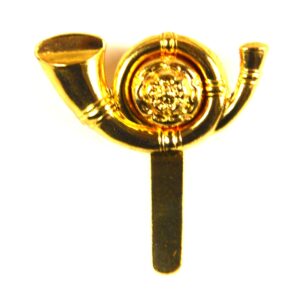
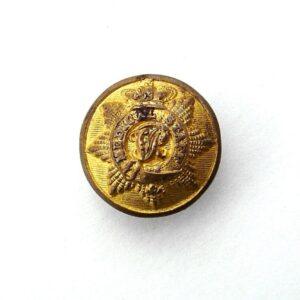
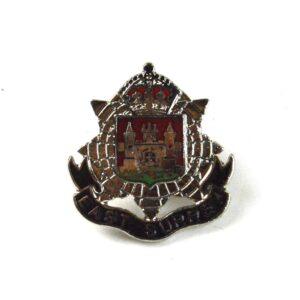
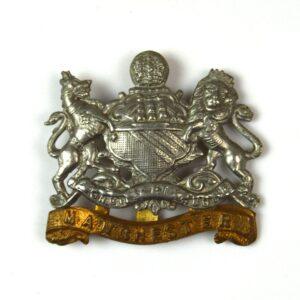
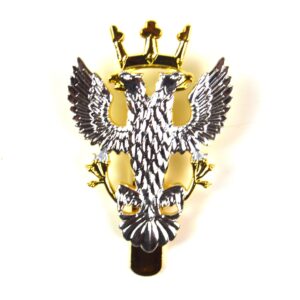
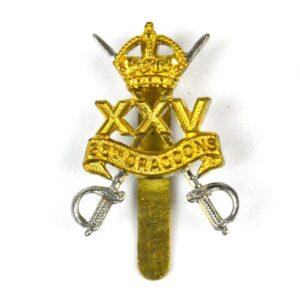
Shako plates, belt plates, and regimental buttons from Peninsular War regiments are prized collector items. Many Georgian military buttons are available from £10–£50, providing an accessible entry point to this period. Shako plates — particularly from identified Peninsular regiments — command £200–£1,500.
Frequently Asked Questions
What Peninsular War medals exist?
The Military General Service Medal (MGSM) 1793-1814, authorised in 1847, was awarded to surviving veterans with clasps for individual battles u2014 Vimeiro, Talavera, Busaco, Fuentes de Onoro, Albuera, Badajoz, Salamanca, Vitoria, and more.
How rare are MGSM medals?
Very scarce u2014 they were only issued to veterans still alive in 1847, decades after the battles. Many multi-clasp examples survive because long-serving soldiers fought in multiple actions. Single-clasp medals are often rarer than multi-clasp.
Sources & References
- Oman, C., A History of the Peninsular War (7 vols)
- Gates, D., The Spanish Ulcer
- Haythornthwaite, P., The Peninsular War: The Complete Companion

Related Items in Our Collection8 items