- Why Preservation Matters
- General Principles of Conservation
- The Golden Rule: Less Is More
- Environment Control
- Caring for Metals
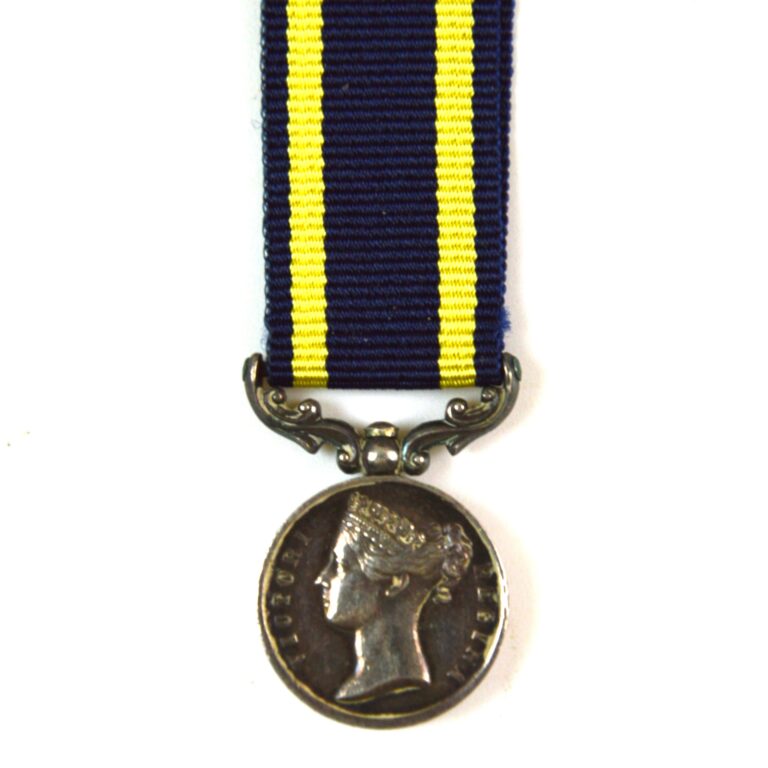
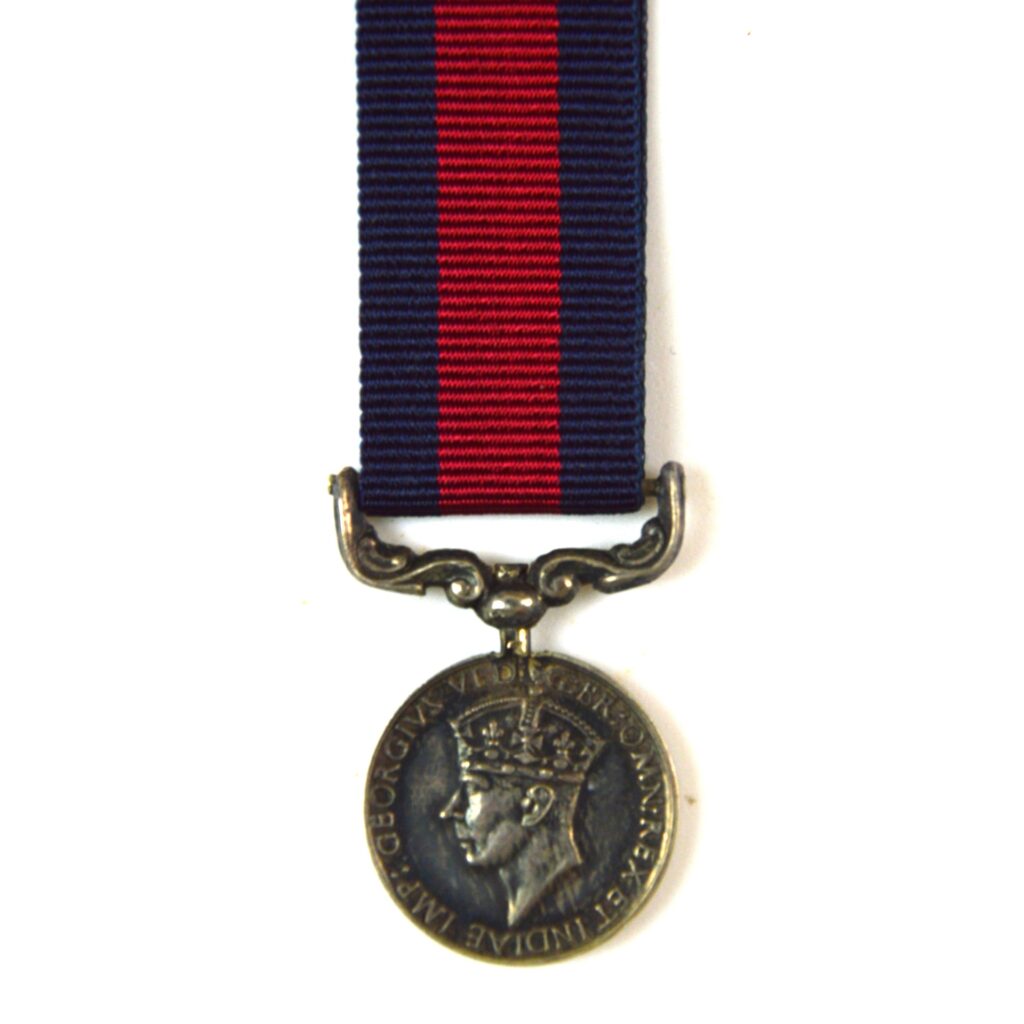
- Medals and Badges (Silver, Bronze, Copper)
- Steel and Iron (Bayonets, Helmets, Swords)
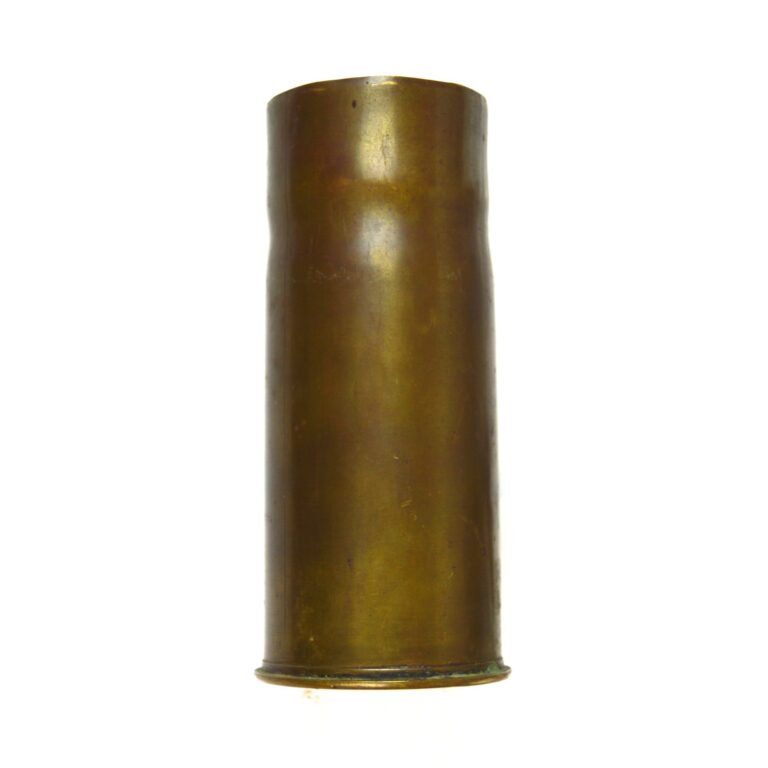
- Trench Art and Brass Items
- Caring for Textiles
- Tunics, Uniforms, and Clothing
- Flags, Banners, and Colours
- Webbing and Belts
- Caring for Leather
- Caring for Paper and Documents
- Caring for Firearms (Deactivated and Antique)
- Display and Security
- Display Cabinets
- Cataloguing and Insurance
- Security
- When to Seek Professional Help
- Essential Conservation Supplies
- Advanced Conservation: Environmental Control
- Dealing with Active Corrosion
- Textile Conservation for the Non-Specialist
- Digital Documentation and Insurance
Why Preservation Matters
Militaria items are historical artefacts — each one carries a piece of the past that, once damaged, cannot be replaced. A cap badge that survived the Somme, a medal trio worn at Mons, a dress tunic from the Guards: these objects connect us to the men and women who served. Proper care ensures they survive for future generations of collectors, historians, and families. [1]
The enemies of militaria are the same enemies that threaten all antiques: moisture, temperature fluctuation, light, dust, pests, and well-intentioned but misguided cleaning. Understanding these threats — and how to counter them — is fundamental to building a collection that retains both its historical integrity and its monetary value.
General Principles of Conservation
The Golden Rule: Less Is More
The single most important principle in caring for militaria is: do as little as possible. Every touch, every cleaning, every “restoration” removes something from the original artefact. Professional conservators follow a principle of “minimum intervention” — only act when an item is actively deteriorating, and then do only what is necessary to stabilise it. [2]
This means resisting the urge to polish medals until they gleam, to iron out creases in tunics, or to “clean up” a cap badge. The patina, toning, wear patterns, and even the dirt on a military item are part of its history. A medal with honest service wear and original ribbon is worth more — both historically and financially — than one that has been stripped and re-lacquered.
Environment Control
All militaria should be stored at a consistent temperature (ideally 18–22 degrees Celsius) and relative humidity (45–55%). Fluctuations cause metals to corrode, cloth to mildew, leather to crack, and paper to cockle. Avoid attics (too hot in summer), basements (too damp), and rooms with south-facing windows (UV exposure). [1]
A hygrometer (humidity gauge) is an essential tool — digital versions cost under £10 and can be placed inside display cabinets or storage boxes. Silica gel packets help stabilise humidity in enclosed spaces but must be reconditioned (dried out in an oven) periodically.
Caring for Metals
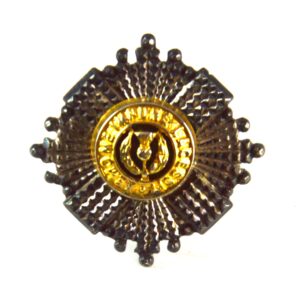
Medals and Badges (Silver, Bronze, Copper)
Medals should be handled by their edges, never by the face — skin oils accelerate tarnishing. Wear cotton gloves when handling high-value pieces. Store medals in acid-free tissue paper, in individual compartments to prevent them knocking against each other. Never store metals in plastic bags — plastic can off-gas chemicals that cause corrosion. [2]
Silver medals: Do not polish. Toning (the dark patina that develops on silver over decades) is prized by collectors and indicates the medal has not been recently cleaned. If tarnish becomes excessive, a very gentle rub with a specialist silver cloth is acceptable — but never use liquid silver dip, which strips the surface.
Bronze and copper: British campaign medals (the Queen’s South Africa Medal, the 1914 Star, the BWM) develop a rich brown patina over time. Do not attempt to polish this off. If verdigris (green corrosion) appears, it indicates moisture damage — stabilise the environment and consult a conservator for active corrosion.
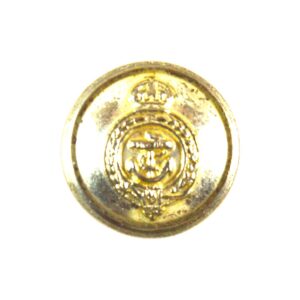
Cap badges and buttons: These vary by material — brass, white metal (nickel alloy), gilding metal, bronze, and silver all require slightly different approaches. The common rule: do not polish. A dry soft brush to remove dust is sufficient for routine care. If you must clean a brass badge, use a barely damp cotton bud followed by thorough drying. [1]
Steel and Iron (Bayonets, Helmets, Swords)
Steel is the most vulnerable metal in a militaria collection. Even small amounts of moisture can trigger rust. The key is prevention: store steel items in a dry environment with silica gel, and apply a thin film of Renaissance Wax or a light museum-grade conservation oil (not WD-40, which can attract dust and leave residues). [2]
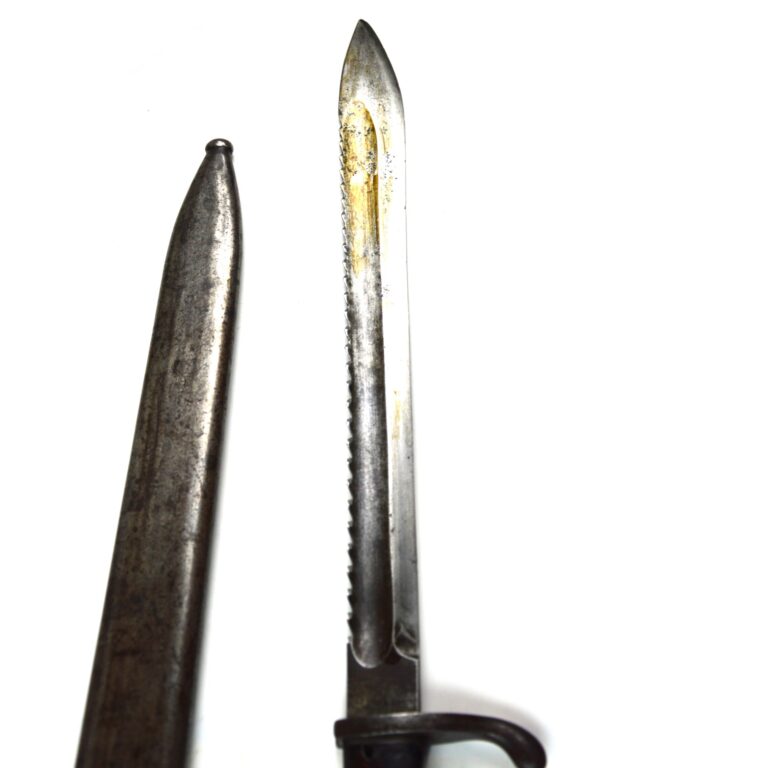
For bayonets and swords: wipe down with a soft cloth after handling, as fingerprints are acidic and cause rust. Store in scabbards where original; otherwise, wrap in acid-free tissue. For blades with existing surface rust, do not sand or scrub — consult a conservator. Light surface oxidation can be left as-is; active, pitting rust requires professional treatment.
For helmets: steel helmets (Brodie pattern, German Stahlhelm) are prone to paint flaking and rust. Store on a padded stand or stuffed with acid-free tissue to maintain shape. Do not repaint: original paint, even damaged, is historically more valuable than a repaint. Renaissance Wax can be applied over original paint to stabilise it.
Trench Art and Brass Items
Do not polish. The original patina adds authenticity and warmth. Store in dry conditions and handle with clean, dry hands. If you inherit a piece that has been “enthusiastically” polished, there is no way to restore the lost patina — it develops over decades and cannot be artificially replicated convincingly.
Caring for Textiles
Tunics, Uniforms, and Clothing
Military uniforms are among the most challenging items to preserve. They are made from wool, cotton, or synthetic fibres, often with metal buttons, badges, and braid that create mixed-material conservation challenges. [1]
Storage: Store uniforms flat (folded with acid-free tissue between layers) or on padded hangers in cotton garment bags. Never use plastic dry-cleaning bags — they trap moisture. Cedar-lined wardrobes provide some moth protection, but dedicated moth deterrents (lavender sachets, cedar blocks) should be refreshed regularly.
Moths: The clothes moth (Tineola bisselliella) is the single greatest threat to wool uniforms. Check stored textiles regularly for signs of damage: small holes, sandy-coloured larvae, or webbing. If infestation is found, isolate the affected item immediately. Freezing (seal in a plastic bag and freeze for 72 hours) kills larvae and eggs effectively. [2]
Cleaning: Do not dry-clean or machine-wash military uniforms. The chemicals and agitation will damage fibres, dyes, and insignia. Surface dust can be removed with a soft brush or vacuum cleaner on the lowest setting with a muslin screen over the nozzle. Stains should be left unless actively damaging the fabric — many stains are part of the item’s history.
Flags, Banners, and Colours
Regimental colours and flags are often the most deteriorated textiles in a collection, having been paraded and exposed to the elements during their service life. Store flat, never folded. Support on acid-free tissue or conservation-grade polyester batting. Never hang a fragile flag — the weight of the fabric will cause further damage along fold lines. These items are best conserved by a professional textile conservator. [1]
Webbing and Belts
British military webbing (Pattern 1908, 1937, and later) is made from woven cotton treated with Blanco or Khaki Blanco. Clean gently with a dry brush. Do not apply modern cleaning products. The original Blanco residue is part of the item’s character. Store flat or hanging, and keep brass fittings dry.
Caring for Leather
Leather items — Sam Browne belts, holsters, sword frogs, belt pouches, boots — require careful attention. Leather dries out and cracks if stored in low humidity, and grows mould in high humidity. [2]
Conditioning: Use a specialist leather conservation product (such as Connolly’s Hide Food or Renaissance Leather Dressing) sparingly. Never use modern shoe polish, which contains dyes and waxes that alter the appearance. Apply a small amount to an inconspicuous area first to test.
Mould: If white or green mould appears, isolate the item and brush off with a soft dry brush outdoors. Treat the area with a conservation-grade mould inhibitor. Improve air circulation and reduce humidity in the storage area.
Shape: Stuff leather items with acid-free tissue to maintain shape. Do not stack heavy items on top of leather pieces.
Caring for Paper and Documents
Military documents — discharge papers, pay books, commissions, letters, maps — are often among the most historically significant items in a collection. Paper is extremely vulnerable to light, moisture, and acidic contact. [1]
- Storage: Use acid-free folders, envelopes, and boxes. Never use standard manila folders, which are acidic and will stain documents over time.
- Handling: Use clean, dry hands or cotton gloves. Support documents from below — never hold by one edge.
- Display: If displaying framed documents, use UV-filtered glass and acid-free mounting board. Rotate displayed items every few months to limit light exposure.
- Repair: Never use adhesive tape on original documents. Any repair should use reversible conservation-grade Japanese tissue and wheat-starch paste.
Caring for Firearms (Deactivated and Antique)
Many militaria collections include deactivated or antique firearms. These require specific care. The primary threat is rust — steel and iron components are highly susceptible to moisture. Wipe all metal surfaces with a thin film of gun oil or Renaissance Wax after handling. Store in a dry environment with silica gel sachets. [2]
Wooden stocks and furniture should be treated with a light application of boiled linseed oil (the traditional military finish) rather than modern varnishes. Leather slings and accessories should be treated as described in the leather section above.
Be aware of legal requirements: deactivated firearms in the UK must comply with Home Office standards and carry a deactivation certificate. Antique firearms (typically pre-1900) are generally exempt from licensing but check current legislation. Store all firearms securely, regardless of their legal status.
Display and Security
Display Cabinets
Purpose-built display cabinets with UV-filtering glass are ideal. Cabinets should be sealed (to control dust and humidity) but not airtight (to prevent condensation). Glass-fronted bookcases make excellent display cases for medal groups, badges, and small items. [2]
Consider the arrangement carefully: group items thematically (by regiment, campaign, or era) and include typed labels with key information. A well-presented collection is a pleasure to view and makes items easier to catalogue and insure.
Cataloguing and Insurance
Photograph every item in your collection from multiple angles, including any marks, inscriptions, and damage. Record measurements, markings, condition, provenance, and purchase details. A simple spreadsheet is sufficient, though dedicated collection management software exists. This catalogue is invaluable for insurance purposes and for your heirs. [1]
Ensure your collection is covered by your home insurance — most standard policies have limits on “collectibles.” Specialist militaria insurance is available from brokers who understand the market. Keep receipts and records of provenance — they support both insurance claims and future resale.
Security
Firearms (deactivated or otherwise) and edged weapons have specific legal storage requirements in the UK. Even if your items are deactivated or antique, responsible storage is essential. Use locked cabinets for high-value or sensitive items. Photograph your collection and store copies off-site (cloud storage or a bank safety deposit box).
When to Seek Professional Help
Some conservation tasks are beyond the amateur collector. Active rust that is pitting a blade, mould on a watercolour miniature, insect damage to a uniform, or a badly deteriorated leather item all benefit from professional attention. The Institute of Conservation (ICON) maintains a register of accredited conservators in the UK. Museums’ conservation departments are often willing to advise private collectors. [2]
Essential Conservation Supplies
| Item | Use | Approx. Cost |
|---|---|---|
| Renaissance Wax | Metal protection (blades, helmets, badges) | £8 – £12 |
| Acid-free tissue paper | Wrapping and interleaving | £5 – £10 (pack) |
| Silica gel sachets | Humidity control in cabinets/boxes | £3 – £8 (pack) |
| Digital hygrometer | Monitoring humidity levels | £5 – £10 |
| Cotton gloves | Handling silver medals and documents | £2 – £5 |
| Soft natural-bristle brush | Dusting badges, uniforms, leather | £3 – £6 |
| Moth deterrent (lavender/cedar) | Protecting wool uniforms | £5 – £10 |
| Conservation leather dressing | Conditioning leather items | £8 – £15 |
| UV-filtering glass | Display frames and cabinets | Varies by size |
The golden rule bears repeating: when in doubt, do nothing until you have consulted an expert. Inappropriate intervention destroys more militaria than neglect ever does.
Advanced Conservation: Environmental Control
For the serious collector, environmental control is the single most impactful factor in long-term preservation. The ideal storage environment for mixed militaria collections maintains a temperature of 18–20°C and a relative humidity (RH) of 45–55%. Fluctuations are more damaging than slightly imperfect but stable conditions — rapid changes in temperature or humidity cause materials to expand and contract repeatedly, accelerating deterioration. [1]
Investing in a digital hygrometer/thermometer (available for under £20) that records maximum and minimum readings allows you to monitor your storage environment over time. If humidity is consistently too high (above 60% RH), consider a dehumidifier for the storage room. If too low (below 40% RH), place open containers of water near heating sources. Silica gel packets placed inside display cases provide localised humidity buffering — these should be conditioned (not bone-dry) to maintain the target range rather than simply absorb all moisture. [1]
Dealing with Active Corrosion
Active corrosion — identifiable by bright orange rust on ferrous metals, powdery green verdigris on copper alloys, or white powdery deposits on lead and tin — requires prompt attention before it causes irreversible damage. The key principles are:
- Mechanical removal first: Use a soft brass brush, wooden toothpick, or bamboo skewer to gently remove loose corrosion products. Never use steel wool on collectible items — it scratches and leaves embedded steel particles that accelerate future rusting.
- Chemical treatment with caution: Phosphoric acid-based rust converters (such as Jenolite or naval jelly) can stabilise iron corrosion but alter the appearance — they convert red rust to a stable black phosphate layer. This is acceptable for functional items but may reduce the collector value of rare or high-grade pieces.
- Tannic acid treatment: A 5% tannic acid solution applied to cleaned iron surfaces creates a dark, stable tannate layer that resists further corrosion. This is a widely accepted conservation treatment in the museum sector and is reversible.
- Professional conservation: For important or high-value items, always consult a professional conservator. The Institute of Conservation (Icon) maintains a register of accredited conservators in the UK.
Textile Conservation for the Non-Specialist
Military textiles — uniforms, webbing, flags, and cloth insignia — are among the most vulnerable items in any collection. The primary enemies are light (especially ultraviolet), insects (clothes moths and carpet beetles), and mechanical stress from improper storage or display. [1]
For storage, acid-free tissue paper is essential. Roll uniforms around acid-free tubes rather than folding them — fold lines become permanent creases and eventual tears. If space requires folding, pad the folds generously with crumpled acid-free tissue and refold along different lines every six months. Never store textiles in plastic bags, which trap moisture and promote mould growth. Cotton dust covers or acid-free boxes are preferable. [1]
For display, UV-filtering glass or acrylic is mandatory. Even with UV protection, rotate textile displays every 3–6 months if possible, allowing items to “rest” in dark storage. Mannequin displays should be padded to support the garment properly — an unsupported uniform will distort under its own weight over time. Moth deterrents (lavender sachets or cedarwood blocks, not naphthalene mothballs, which can damage some dyes and metals) should be placed in all textile storage areas. [1]
Digital Documentation and Insurance
A comprehensive photograph-and-record system is not just good practice — it is essential for insurance purposes. For each item, record:
- Multiple photographs: front, back, close-ups of markings, damage, and any unique features. Use a consistent neutral background and include a colour/scale reference card.
- Date of acquisition, source, and price paid
- Current estimated value — update annually based on auction results
- Provenance notes: any known history of the item, documentation, or group associations
- Condition notes: document all damage, repairs, and conservation work
Cloud-based storage (or USB drive stored off-site) provides a backup in case of fire, flood, or theft. Many general household insurance policies exclude or limit cover for “collections” — specialist militaria insurance through providers such as Collectinsure or a specialist broker is strongly recommended for collections valued above £5,000. A detailed inventory with photographs is typically required to make a successful claim. [1]
Finally, consider joining a local conservation group or attending a workshop. Organisations such as the Institute of Conservation (Icon) and museum learning programmes occasionally offer practical workshops in object conservation for non-professionals. Even a basic understanding of conservation science transforms how you handle, store, and display your collection — and the investment in knowledge pays dividends in the long-term preservation of irreplaceable historical objects. [1]
Frequently Asked Questions
What temperature and humidity should I store militaria at?
The ideal storage environment is 18–20°C with 45–55% relative humidity. Stable conditions are more important than perfection — rapid fluctuations in temperature or humidity cause materials to expand and contract, accelerating deterioration.
How do I stop rust on military items?
For active rust, remove loose corrosion mechanically with a brass brush, apply tannic acid (5% solution) to create a stable protective layer, then seal with Renaissance Wax. Never use steel wool on collectible items. For prevention, maintain low humidity and apply a light wax coating.
How should I store military uniforms?
Store uniforms rolled around acid-free tubes rather than folding. Use acid-free tissue between layers. Store in breathable cotton covers or acid-free boxes — never plastic bags. Place cedarwood blocks or lavender sachets nearby as moth deterrents. Avoid direct sunlight.
Do I need specialist insurance for militaria?
For collections valued above £5,000, specialist militaria insurance is strongly recommended. General household policies often exclude or limit cover for collections. Providers like Collectinsure or specialist brokers require a detailed photographic inventory for claims.
Sources & References
- Imperial War Museum conservation guidelines
- Museums & Galleries Commission — *Standards in the Museum Care of Military Collections*
- The Orders and Medals Research Society — *Medal Mounting and Care*

Related Items in Our Collection8 items

Continue Reading
 Featured