- Why Authentication Matters
- General Principles of Authentication
- The Three Pillars: Object, Provenance, Context
- The Mindset of Authentication
- Authenticating Cap Badges and Insignia
- Materials and Weight
- Manufacturing Method
- Fixings
- Authenticating Medals
- Naming
- Metal Composition
- Ribbons
- Authenticating Edged Weapons
- Swords
- Bayonets
- Authenticating Uniforms
- Labels and Markings
- Construction
- The Most Commonly Faked Items
- Third Reich Items
- Special Forces Items
- Gallantry Medals
- Tools and Techniques
- When to Seek Expert Help
Why Authentication Matters
The militaria market has a problem that every collector must confront: fakes, reproductions, and misattributions are widespread, increasingly sophisticated, and can cost the unwary buyer hundreds or thousands of pounds. From mass-produced Indian-made “antique” badges sold on eBay for a few pounds, to meticulously crafted Third Reich dagger forgeries that have deceived experienced dealers, the reproduction market is a constant threat to the integrity of collecting.
Understanding authentication is not optional — it is a fundamental skill that every serious collector must develop. This guide provides the frameworks, techniques, and specific knowledge needed to protect yourself, whether you are spending £10 on a cap badge or £10,000 on a medal group.
General Principles of Authentication
The Three Pillars: Object, Provenance, Context
Authentication rests on three interconnected pillars, and a confident attribution requires all three to align:
- Object examination: The physical item itself — materials, construction, wear, patina, tool marks, dimensions, weight. Does the item look, feel, and weigh right for what it claims to be?
- Provenance: The chain of ownership — where has this item been, and how did it reach its current owner? A medal bought from the family of the named recipient is far more secure than one with no documented history.
- Context: Does the item make historical sense? A claimed South Africa Medal to a regiment that never served in the Boer War is self-evidently wrong, regardless of how genuine the medal itself appears.
The Mindset of Authentication
Approach every potential purchase with healthy scepticism — not cynicism, but informed caution. The default assumption should be “I need to verify this” rather than “this looks fine.” Experienced forgers understand what collectors want to see and deliberately create items that trigger the buyer’s desire to believe. Discipline yourself to examine evidence objectively, and never let excitement override careful analysis.
Authenticating Cap Badges and Insignia
Materials and Weight
Genuine British military badges were manufactured from specific alloys to military specifications. The most common indicator of a reproduction is incorrect material:
- Brass (gilding metal): Genuine badge brass has a distinctive warm golden colour and specific density. Reproductions often use cheaper alloys — lighter, yellower, or with a slightly different lustre.
- Weight test: If you collect a specific badge type, weigh known-genuine examples on a precision scale (0.1g accuracy). Many reproductions are detectably lighter or heavier than genuine items. This is one of the simplest and most reliable tests.
- White metal: Genuine white-metal badges were typically die-struck from a tin-lead alloy or nickel-plated. Reproductions may use zinc alloy (pot metal), which has a characteristic greyish tone and feels different in the hand.
- Economy materials: WWII economy badges in plastic (Bakelite, Celastoid) or fibre have distinctive properties — weight, surface texture, colouring — that differ from modern plastic reproductions.
Manufacturing Method
The way a badge was made leaves diagnostic traces:
- Die-striking: Genuine badges were stamped in a powerful press from flat sheet metal. This produces sharp, clean detail on the face with a corresponding impression (mirror image) on the back. The edges are cleanly sheared. Die-struck badges have a distinctive crispness that casting cannot replicate.
- Casting: Many reproductions are cast — metal poured into a mould taken from a genuine example. Cast copies show: slightly softer detail, possible air bubbles or porosity, mould lines, and a subtly different surface texture. The back of a cast copy often lacks the characteristic die-struck impression.
- File marks and finishing: Genuine badges were finished by hand — flash (excess metal from the die) was filed off, and edges were cleaned up. Reproductions may show different finishing patterns or lack finishing altogether.
Fixings
The fixing on the reverse provides crucial dating and authentication evidence:
- Slider: A genuine slider is a flat blade, hand-soldered (pre-1900) or machine-attached to the badge back. Check the solder: period solder has a characteristic colour and texture. Modern silver solder looks different from period tin-lead solder.
- Lugs: Wire lugs should show the same patina and wear as the badge face. New lugs on an old badge (or new-looking lugs on a claimed old badge) are red flags.
- General principle: The back of a badge tells you more than the front. Genuine period badges show accumulated wear, oxidation, and patina on the reverse that is extremely difficult to fake convincingly.
Authenticating Medals
Naming
Most British campaign medals are named — engraved, impressed, or laser-engraved with the recipient’s details. The naming style is a critical authentication point:
- Impressed naming: Punched into the rim using individual letter punches. Genuine impressed naming shows consistent depth, even spacing (though hand-punched, so not machine-perfect), and correct font for the period and medal type. Running your thumb over the edge, you can feel the raised letters on the reverse of the rim.
- Engraved naming: Cut into the metal using an engraving tool. Genuine official engraving has characteristic styles — the War Office and Royal Mint each had distinctive lettering standards. Compare against verified examples in reference books.
- Renamed medals: A medal that has been renamed — the original name erased and a new name added — is worth a fraction of a genuinely named example. Check for: erasure marks (the original name polished out), different letter styles, and differences in patina between the naming and the medal body.
- Verification: Always check the naming against the medal rolls. The National Archives (WO 329 for WWI) and published roll references allow you to confirm that the named individual was entitled to the medal claimed.
Metal Composition
Each medal was struck from a specific metal or alloy:
- Silver: Many campaign medals (QSA, KSA, BWM, Korea) are silver. Check with a hallmark lens or, for definitive testing, use a precious metal testing kit. Silver has a distinctive weight that base metal cannot replicate.
- Bronze: Some medals (Victory Medal, certain stars) are bronze. Bronze has a characteristic weight, colour, and surface texture.
- Cupro-nickel: Post-WWII campaign medals. Distinctive silvery-grey colour and weight.
- Fakes: Reproduction medals are often cast in base metal or zinc alloy. They typically feel too light, sound wrong when tapped (a dull thud rather than a ring), and lack the edge detail of a genuine die-struck medal.
Ribbons
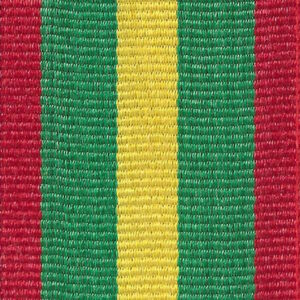
Original ribbons are a valuable part of a medal group, but they deteriorate over time and are frequently replaced. Replacement with correct, period-appropriate ribbon is acceptable and does not diminish the medal’s value. However, incorrect ribbon (wrong colour, wrong width, wrong pattern) can indicate a medal that has been misidentified or assembled from non-matching components.
Authenticating Edged Weapons
Swords
- Blade markings: Genuine British military swords bear maker marks (Wilkinson, Mole, Thurkle, Henry Wilkinson with numbered series), proof marks, regimental markings, and inspection stamps. These should be clear, correctly positioned, and in the right style for the period claimed.
- Blade profile: Each pattern of sword has specific dimensions — blade length, width, curvature, fuller depth. Variations from the standard specifications suggest either a commercial (non-regulation) piece or a non-British origin.
- Hilt construction: Genuine hilts use specific materials for the period — steel, brass, or iron guards; wire-wrapped, fishskin, or leather grips; specific pommel shapes. Reproduction hilts often use the wrong materials or construction methods.
- Scabbards: Many swords have replacement scabbards — an original scabbard surviving with the correct sword is a significant plus. Check that scabbard fittings match the sword in period and style.
Bayonets
Bayonet authentication centres on:
- Maker marks and stamps: Check for correct manufacturer (Wilkinson, Mole, Sanderson, etc.), date stamps, broad arrow acceptance marks, and regimental/unit stamps.
- Dimensions: Each pattern has published specifications. Measure blade length from crossguard to tip, and overall length including grip. Variations may indicate a non-standard or foreign variant.
- Fit: If you have access to the correct rifle, a genuine bayonet should fit correctly. However, production tolerances mean some variation is normal — a perfect fit is not guaranteed, nor does a slightly loose fit indicate a fake.
Authenticating Uniforms
Labels and Markings
- Maker/tailor labels: Officer uniforms frequently bear tailor labels — the tailor’s name, address, and the officer’s name. These are excellent provenance indicators. Known military tailors (Hawkes, Gieves, Alkit, Hobson) confirm legitimacy.
- Ordnance stamps: Other-ranks uniforms bear government stamps — size, date, War Department broad arrow, contract numbers. These should be consistent with the claimed date and type.
- Materials: Period fabrics — serge, barathea, cotton drill — have distinctive weights, textures, and dye colours that differ from modern materials. Experienced handlers develop a feel for genuine period textiles.
Construction
Pre-1950 military uniforms were made using construction techniques that differ from modern manufacture: hand-finished buttonholes, specific seam allowances, period-correct thread types, and particular lining materials. These details are difficult and uneconomic for forgers to replicate, making construction examination a reliable authentication method for uniforms.
The Most Commonly Faked Items
Third Reich Items
German WWII militaria is the most heavily faked area of the entire market. Daggers, badges, medals, documents, and insignia are reproduced in enormous quantities — some estimates suggest that the majority of Third Reich items offered on eBay are reproductions. Authentication of German items requires specialist knowledge and ideally, expert consultation for significant purchases.
Special Forces Items
SAS, SBS, and Commando items carry huge premiums and are therefore attractive targets for forgers. Beware of: too many items from one source, items with no provenance, and items that are “too good” in condition. Genuine special forces items are rare by definition — the units were small.
Gallantry Medals
Victoria Crosses, Distinguished Conduct Medals, and other gallantry awards are among the highest-value items in militaria and correspondingly attractive to forgers. Always verify naming against published rolls, have the metal composition tested, and seek expert authentication for any gallantry award.
Tools and Techniques
- Jeweller’s loupe (10x–20x): Essential for examining fine detail — engraving, tool marks, solder joints, surface texture. A basic loupe costs under £10 and is the single most useful authentication tool.
- Precision scales (0.1g): For comparing weights of badges and medals against known-genuine examples. Digital scales cost £10–£20.
- Callipers: For measuring dimensions precisely — blade lengths, badge diameters. Digital callipers cost £15–£25.
- Magnet: A simple neodymium magnet identifies ferrous metals — useful for detecting steel-based reproductions in items that should be brass, silver, or copper.
- UV light: Modern adhesives and some reproduction materials fluoresce under ultraviolet light. A UV torch (£5–£10) can reveal modern repairs or components.
- Reference library: Your most important tool. Build a collection of standard references for your collecting area and compare every potential purchase against verified examples.
When to Seek Expert Help
For any significant purchase — defined as either high monetary value or high personal significance — seek expert authentication before committing:
- Specialist dealers: Established dealers in your collecting area will usually authenticate items for a modest fee, or free if you are considering a purchase from them.
- Auction house specialists: DNW, Bosleys, and Noonans employ medal and militaria specialists who can provide expert opinions.
- Society experts: The OMRS, MHS, and specialist societies have members with deep expertise who may be willing to advise.
- Online forums: Post clear photographs on the British Badge Forum, Great War Forum, or WW2Talk. Multiple experienced opinions provide a strong consensus.
Never let a seller pressure you into a quick decision. Genuine items do not disappear in the time it takes to seek a second opinion. If a seller refuses to allow expert examination or offers excuses against verification, walk away.
Frequently Asked Questions
What are the most commonly faked items of British militaria?
Third Reich items top the list globally, but within British militaria, SAS/special forces badges, Airborne items, gallantry medals (especially VCs), Commando daggers, and rare cap badges are most commonly forged.
How can I tell if a medal is genuine?
Check naming style (font, spacing, depth), medal weight, metal composition, ribbon age, and verify the recipient against official medal rolls held at The National Archives. Look for signs of erased and re-engraved naming under magnification.
Should I get items authenticated before buying?
For expensive purchases (above u00a3500), professional authentication is strongly recommended. Auction houses like DNW and Spink vet items before sale. For private purchases, seek a second opinion from a recognised expert or specialist dealer.
Sources & References
- Hayward, J., The Art of the Gunmaker (Barrie & Rockliff)
- Calvert, M., Fakes and Forgeries in the Militaria Market (articles, OMRS Journal)
- DNW authentication guidelines

Related Items in Our Collection8 items