- Introduction
- The Red Coat: Origins to 1902
- The English Civil War and Restoration
- The 18th Century: Elegance and Impracticality
- The Napoleonic Wars: 1793–1815
- Victorian Splendour: 1837–1902
- From Khaki to Camouflage: 1902–Present
- Service Dress: 1902–1939
- Battledress: 1937–1962
- Combat Dress and DPM: 1960–2010
- MTP and PCS: 2010–Present
- Specialist and Ceremonial Dress
- Tropical Kit
- Ceremonial Dress
- Collecting British Military Uniforms
- What to Look For
- Price Guide
- Care and Storage
- Specialist Uniform Topics
- Highland Dress: A Distinct Tradition
- Tropical and Colonial Uniforms
- Women’s Military Uniforms
- Insignia and Badges on Uniforms: Identifying the Unit
- Care and Preservation of Uniform Collections
Introduction
The history of the British military uniform spans over four centuries — from the first attempts at standardised dress in the English Civil War to the sophisticated multi-terrain pattern camouflage worn by British soldiers today. Across this period, the uniform has served multiple purposes: identification, protection, morale, discipline, and — not least — social signalling. For collectors and historians, British military uniforms offer an extraordinarily rich field of study, with endless variations of pattern, colour, material, and insignia reflecting the evolving nature of warfare and the peculiarities of the British regimental system. [1]
The Red Coat: Origins to 1902
The English Civil War and Restoration
The first large-scale use of standardised military clothing in England came during the English Civil War (1642–1651). The New Model Army, formed by Parliament in 1645, was clothed in red coats — a practical choice driven by the availability and low cost of red (Venetian) dye rather than any symbolic intent. The red coat became the defining uniform of the English (later British) Army for the next 250 years. [2]
After the Restoration of Charles II in 1660, the standing army was established with regiments clothed in red coats distinguished by coloured “facings” — the turned-back cuffs, lapels, and collars that identified each regiment. This system persisted with remarkable consistency into the 20th century. The facings colours became deeply embedded in regimental identity: blue for the Royal regiments, buff for several ancient regiments, green for the Rifles, white for many English county regiments, and yellow for several others.
The 18th Century: Elegance and Impracticality
Eighteenth-century military dress reached heights of elaboration that modern soldiers would find extraordinary. The infantry soldier of the Seven Years’ War (1756–1763) wore:
- A long-skirted red coat with regimental-coloured facings and white lace
- A white or buff waistcoat and breeches
- White gaiters buttoned to the knee
- A black felt tricorne hat (later replaced by the bearskin cap for grenadiers and various forms of cocked hat)
- A black leather stock (rigid collar) that forced the head upright
- Crossbelts carrying bayonet and cartridge box
This was fighting dress — soldiers went into battle in full regimentals with powdered hair. The emphasis was on appearance, not comfort. The tight coats, gaiters, and stocks were deliberately constraining, intended to enforce correct posture and the upright bearing considered essential to disciplined fire and movement. [1]
The Napoleonic Wars: 1793–1815
The long wars against Revolutionary and Napoleonic France saw significant uniform evolution. The long-skirted coat was replaced by the shorter coatee (1797–1855 approximately), which retained the red colour and regimental facings but was cut away at the waist. The stovepipe shako replaced the cocked hat from 1800, beginning a succession of shako patterns that continued until the 1870s. [2]
For collectors, Napoleonic-era uniforms are extraordinarily rare and valuable. A genuine infantry officer’s coatee from the period might sell for £5,000–£20,000+ depending on regiment and condition. Other ranks’ items are rarer still, as soldiers’ uniforms were worn until they disintegrated.
Victorian Splendour: 1837–1902
The Victorian era was the golden age of British military uniform design. The coatee was replaced by the tunic in 1855 — a single-breasted garment that remained the basis of British military dress for over a century. The Home Service helmet (blue cloth with spike, inspired by the Prussian Pickelhaube) was introduced in 1878 and became instantly iconic. [1]
Meanwhile, active service in India and Africa had forced the adoption of more practical clothing. Khaki — from the Hindi/Urdu word for “dust-coloured” — was first used by British troops in India during the 1840s (the Corps of Guides in 1848 are often credited as the first). Khaki became standard for active service following the Second Afghan War (1878–1880) and the Sudan campaigns, though red tunics persisted for home service and ceremonial use through the Boer War period.
From Khaki to Camouflage: 1902–Present
Service Dress: 1902–1939
The catastrophic experience of the Second Boer War (1899–1902) — where British soldiers in red and blue presented perfect targets for Boer marksmen — finally killed the red coat as fighting dress. In 1902, khaki Service Dress (SD) was adopted as the universal working and combat uniform. The 1902 Pattern Service Dress consisted of:
- A single-breasted tunic with stand-and-fall collar, four pockets, and shoulder straps
- Trousers (or breeches with puttees for field wear)
- Peaked cap (officers) or cloth cap (other ranks)
- Brown leather Sam Browne belt (officers) or 1908 Pattern webbing (other ranks)
Service Dress, in various modifications, was the standard British Army uniform through both World Wars. The 1922 Pattern (simplified post-WWI) and the 1937 Pattern (with minor changes) continued the same basic design. [2]
Battledress: 1937–1962
The 1937 Pattern Battledress was the most revolutionary change in British military clothing since the adoption of khaki. Designed as an economical, practical combat uniform, it consisted of a short blouse (cut at the waist) and high-waisted trousers — a radical departure from the traditional long tunic. The blouse was designed to be worn with the collar open or closed and featured map pockets, covered buttons, and provisions for insignia. [1]
Battledress was the uniform of the Second World War and the early Cold War. It saw service from the deserts of North Africa (where it was often substituted with khaki drill) to the jungles of Burma (where it was frequently replaced by tropical kit) to the frozen fields of Korea. Key variants:
- 1937 Pattern: The original, relatively well-tailored, with pleated pockets
- 1940 Pattern (Austerity): Simplified for mass production — no pleats, fewer buttons, economy construction
- 1949 Pattern: Post-war improvement with better cut and heavier cloth
Combat Dress and DPM: 1960–2010
Battledress was replaced in the early 1960s by Combat Dress — a lightweight olive-green (OG) smock and trousers designed for the demands of modern warfare. This evolved into the famous DPM (Disruptive Pattern Material) camouflage, introduced in the 1960s and refined through multiple generations. British DPM — with its distinctive brown, green, tan, and black pattern — became one of the most recognisable camouflage patterns in the world. [2]
Key DPM items include:
- 68 Pattern smock and trousers: The first standard-issue DPM combat clothing
- 85 Pattern: Improved cut and material
- 94 Pattern (CS95): The established combat system of the 1990s and 2000s, with shirt, lightweight jacket, and combat trousers in two DPM colourways (temperate and desert)
MTP and PCS: 2010–Present
In 2010, the British Army adopted Multi-Terrain Pattern (MTP) — a camouflage pattern designed to work across multiple environments rather than requiring separate temperate and desert patterns. MTP was developed from the commercially successful Crye Precision MultiCam pattern, modified for specific British requirements. The new Personal Clothing System (PCS) provides a layered system of base layers, combat clothing, and waterproofs designed for the full range of operational climates. [1]
Specialist and Ceremonial Dress
Tropical Kit
British service across the Empire required specialised hot-weather clothing. Khaki Drill (KD) — lightweight cotton or cotton-drill clothing in various shades of khaki — was the standard tropical uniform from the 1880s through the 1960s. The classic “bush jacket” with its four pockets became synonymous with British colonial and wartime service. The Wolseley-pattern pith helmet, worn from the 1880s to the 1940s, is one of the most iconic pieces of British military headgear. [2]
Ceremonial Dress
The British Army retains a rich tradition of ceremonial dress. Key orders include:
- No.1 Dress (Ceremonial): The blue “patrol” dress worn for formal occasions. Dark blue tunic with regiment-specific facings, peaked cap, and Sam Browne belt. The Household Division (Guards and Household Cavalry) wear their distinctive scarlet tunics and bearskins instead.
- No.2 Dress (Service Dress): The modern interpretation of the WW1-era khaki Service Dress, worn for parades, interviews, and formal military occasions.
- Mess Dress: The military equivalent of a dinner jacket, worn for formal evening events. Each regiment has its own distinctive pattern — cavalry mess dress with its short “bum-freezer” jacket and overalls is particularly elegant.
- Highland Dress: Scottish regiments wear kilts, plaids, and sporrans in their regimental tartans for both ceremonial and mess dress — arguably the most visually striking military clothing in the world.
Collecting British Military Uniforms
What to Look For
Key factors affecting value and interest:
- Named items: Uniforms bearing a soldier’s name (on labels, tags, or ink stamps) can be researched through service records, Army Lists, and regimental archives. Named items command a significant premium.
- Insignia: Badges, patches, shoulder titles, and rank insignia should be original to the garment. Check that the insignia matches the regiment and period of the uniform.
- Size labels and dates: War Department contract labels often show the manufacturer, date, and size. Pre-1939 labels are particularly desirable. WWII dates (1939–1945) add value.
- Condition: Moth damage is the nemesis of textile collectors. Examine carefully for holes, thinning fabric, and evidence of insect activity. Some moth damage is acceptable in pre-1900 pieces; in 20th-century items, condition standards are higher. [1]
Price Guide
| Type | Typical Range | Notes |
|---|---|---|
| Napoleonic officer’s coatee | £5,000 – £20,000+ | Extremely rare; regiment critical |
| Victorian officer’s tunic | £300 – £2,000 | Condition, regiment, and campaign association |
| WWI Service Dress tunic | £150 – £600 | Named and badged examples at premium |
| WWII Battledress blouse | £60 – £200 | Airborne, Commando, Guards at top end |
| WWII tropical KD shirt | £40 – £100 | Named/badged examples preferred |
| Post-war BD blouse (1949 Pat.) | £30 – £80 | Korea-era dated examples desirable |
| DPM smock (68/85 Pat.) | £40 – £120 | Falklands-era at premium |
| CS95 DPM combat shirt/jacket | £15 – £40 | Plentiful; desert DPM more desirable |
| Mess Dress (officer’s, cavalry) | £150 – £600 | Complete sets rare |
| Highland Dress (kilt, doublet, plaid) | £300 – £1,500 | Complete sets very rare and valuable |
Care and Storage
- Store uniforms in breathable garment bags (never plastic), in a cool, dry, dark environment
- Use moth deterrents (cedar wood, lavender sachets) but avoid direct contact with fabric
- Never fold padded or structured garments — use padded hangers
- Do not wash or dry-clean historic uniforms without professional conservation advice
- Photograph and catalogue each item with all visible labels, markings, and insignia [2]
From the scarlet coats that formed line at Waterloo to the MTP camouflage worn in Helmand Province, British military uniforms tell the story of the British Army in cloth and thread. They are among the most evocative and visually compelling artefacts of military history — and a collecting field of exceptional breadth and beauty. [1]
Specialist Uniform Topics
Highland Dress: A Distinct Tradition
The Highland regiments of the British Army maintained — and continue to maintain — a dress tradition quite separate from the rest of the army. The kilt, plaid, sporran, and Highland bonnet (in its various forms) represent a living connection to a martial tradition predating the formal organisation of the British Army, and Highland dress items form one of the most popular and visually striking collecting areas within British military uniform studies. [2]
The key Highland dress items for collectors include:
- The kilt: Each Highland regiment wears its own tartan — Government (Black Watch), Mackenzie (Seaforth Highlanders), Gordon (Gordon Highlanders), Cameron of Erracht (Cameron Highlanders), and others. Military kilts are made from heavyweight tartan (approximately 16 oz per yard) and are box-pleated rather than knife-pleated. An original Victorian or Edwardian military kilt in good condition is uncommon and can command £200–£600 depending on the regiment.
- The sporran: The fur or hair pouch worn at the front of the kilt. Dress sporrans (worn with full dress) are typically made from white horse hair with a silver cantle (top mount) bearing the regimental badge. Field sporrans (worn with Service Dress and later) are simpler leather designs. Dress sporrans are among the most visually impressive Highland items and range from £100–£500 for other ranks’ patterns to £500–£2,000+ for silver-mounted officer’s examples.
- Feather bonnets and glengarries: The towering feather bonnet (worn with full dress) is made from ostrich feathers and is one of the most spectacular items of military headgear. Glengarry caps (for undress and field wear) bear the regimental badge and coloured dicing band. Feather bonnets are rare and expensive (£300–£1,000+); glengarries are more accessible (£40–£150).
Tropical and Colonial Uniforms
British military service in tropical and colonial environments produced a distinct category of uniform that reflects the practical challenges of fighting and garrisoning in extreme climates. The evolution of tropical dress is a collecting area in its own right, spanning from the improvised white-painted uniforms of the Indian Mutiny to the sophisticated jungle warfare clothing of the Burma campaign. [2]
Key items include:
- Khaki drill (KD): The lightweight cotton uniform used in tropical climates from the Boer War onward. KD shirts, shorts, and trousers in the characteristic stone or sand colour are readily available from the WWII period. Earlier Boer War and Indian frontier KD is much scarcer.
- Bush jacket (also called “jungle green”): The four-pocket cotton jacket worn in South-East Asia during WWII. The Aertex (cellular) pattern is particularly sought after. Bush jackets to identifiable units (Chindits, 14th Army, etc.) command premiums.
- Pith helmets and sun helmets: The classic colonial headgear, evolving from the heavy cork Wolseley pattern through the lightweight pith Foreign Service Helmet to the WWII-era Bombay Bowler. Condition is critical — pith degrades in moisture and many surviving examples are fragile.
Women’s Military Uniforms
The growing participation of women in military service from the First World War onward created an entirely new category of military uniform. Women’s auxiliary services — the WAAC/QMAAC (1917), ATS (1938), WRNS (1917), WAAF (1939), and their successors — each had distinctive uniforms that are increasingly sought by collectors. [3]
Women’s military uniforms are generally rarer than their male equivalents — fewer were produced, and they were less likely to be retained as souvenirs. A complete set of ATS or WAAF uniform items in good condition is significantly harder to find than the equivalent male Service Dress. Items associated with named individuals, particularly those who served in operational roles (anti-aircraft batteries, plotting rooms, Special Operations), command strong premiums. [3]
Insignia and Badges on Uniforms: Identifying the Unit
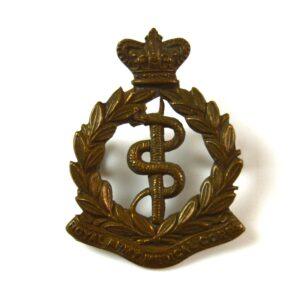
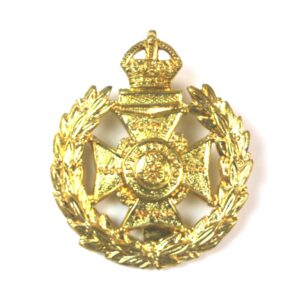
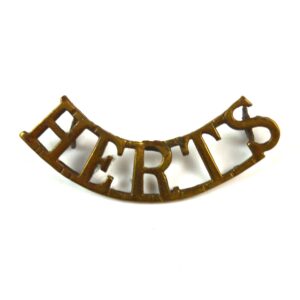
For the collector, one of the greatest challenges — and greatest rewards — is identifying the unit to which a uniform belonged. Even when the original cap badge, shoulder titles, and formation signs have been removed, clues remain:
- Stitch marks: The outline of removed badges can often be detected as stitch holes or clean areas on the surrounding cloth (where the badge protected the fabric from fading).
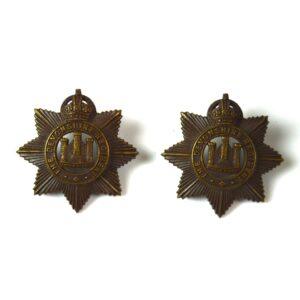
- Tailor’s labels: Officers’ tunics typically carry a tailor’s label with the officer’s name, rank, and sometimes his regiment. These labels are invaluable for research and provenance.
- Store stamps: Other ranks’ garments bear Ordnance Department stamps including the maker’s name, date of manufacture, and size information. The broad arrow government property mark is standard.
- Modifications: Regiment-specific modifications — such as the cavalry’s shorter tunics, the rifle regiments’ distinctive cuff braiding, or the Guards’ specific button spacing — can identify the branch even without badges.
Care and Preservation of Uniform Collections
Military uniforms are among the most vulnerable items in any collection. Textiles degrade through light exposure, insect attack, chemical deterioration, and mechanical stress — and a careless storage method can ruin a uniform that survived a century of previous existence. [3]
The cardinal rules for uniform preservation are:
- Never display in direct sunlight. UV light causes irreversible fading and weakens fibres. Use UV-filtering glass for display cases and rotate items every 3–6 months.
- Store flat or rolled, never folded. Fold lines become permanent creases and eventually tear. Use acid-free tissue to pad rolled items and to separate layers of flat-stored garments.
- Monitor for insects. Clothes moths and carpet beetles are the number one destroyer of wool uniforms. Use pheromone traps to monitor for infestation, and store items with cedarwood blocks or lavender sachets (never naphthalene mothballs, which can damage some dyes).
- Avoid plastic bags and covers. Plastic traps moisture and creates a microclimate that promotes mould. Use breathable cotton dust covers or acid-free boxes.
- Clean before storage. Dirt and perspiration residues attract insects and promote chemical deterioration. Professional textile cleaning by a conservator is ideal for valuable pieces; gentle vacuum cleaning through a fibre mesh screen is an acceptable alternative for sturdy items.
Frequently Asked Questions
When did the British Army stop wearing red coats?
The famous red coat was progressively replaced from the 1880s onward. Khaki (from the Hindi word for "dust-coloured") was first used in India in the 1840s and became standard for active service after the Boer War. Scarlet tunics are still worn for ceremonial occasions by Guards and certain other regiments.
What is battledress?
Battledress (introduced 1937, standard from 1939) was a two-piece wool serge uniform consisting of a short blouson jacket and high-waisted trousers. It replaced Service Dress for field wear and became the iconic British soldier's uniform of WWII. It served until replaced by Combat Dress in the 1960s.
How do I identify the unit from a British uniform?
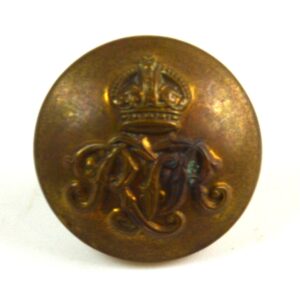
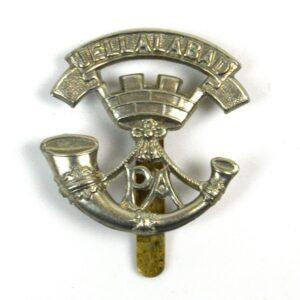
Look for cap badges, shoulder titles, formation signs (divisional patches), and regimental buttons. Even without badges, clues survive: tailor labels (officers), ordnance store stamps (other ranks), stitch marks from removed badges, and regiment-specific modifications to standard patterns.
What are WWII British uniforms worth?
Standard battledress blouse: £40–£120. Named officer's Service Dress: £100–£400+. Highland dress items: £200–£2,000+. Items attributed to specific individuals, units, or campaigns command significant premiums. Women's auxiliary uniforms are increasingly sought and often rarer than male equivalents.

Related Items in Our Collection8 items