- Britain’s Last Colonial War
- The Argentine Invasion
- The Task Force
- Ground Forces
- Naval Forces
- Key Engagements
- The Recapture of South Georgia (25 April 1982)
- The Landings at San Carlos (21 May 1982)
- The Battle of Goose Green (28–29 May 1982)
- The “Yomp” and the “Tab”
- The Final Battles (11–14 June 1982)
- Casualties
- Collecting Falklands War Militaria
- One of the Hottest Collecting Fields
- Medals
- Equipment and Uniform
- A Growing Market
Britain’s Last Colonial War
The Falklands War of April–June 1982 was the last significant conventional military operation conducted by British forces. The Argentine invasion of the Falkland Islands on 2 April 1982 precipitated a crisis that saw Britain assemble and dispatch a naval task force 8,000 miles to the South Atlantic, conduct an opposed amphibious landing, and fight a short, intense land campaign culminating in the recapture of the islands’ capital, Stanley. The war lasted just 74 days but cost 255 British lives, demonstrated the enduring fighting qualities of Britain’s armed forces, and produced a distinctive material culture that has become one of the most dynamic collecting fields in British militaria.
The Argentine Invasion
Argentina had long claimed sovereignty over the Falkland Islands (which they call the Islas Malvinas). The military junta led by General Leopoldo Galtieri, facing domestic economic and political crisis, calculated that Britain would not fight for a remote group of islands with fewer than 2,000 inhabitants. On 2 April 1982, Argentine forces — approximately 3,000 troops — overwhelmed the tiny Royal Marine garrison at Stanley after a brief skirmish. South Georgia was seized the following day.
The Task Force
Britain’s response was swift and decisive. Within three days of the invasion, the first ships of the Task Force — led by the aircraft carriers HMS Hermes and HMS Invincible — sailed from Portsmouth. The force eventually comprised over 100 ships, including requisitioned merchant vessels (STUFT — Ships Taken Up From Trade) such as the liner SS Canberra (which embarked 3 Commando Brigade) and the container ship Atlantic Conveyor.
Ground Forces
The land forces consisted of:
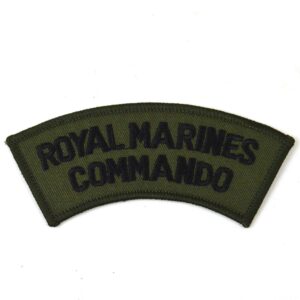
- 3 Commando Brigade, Royal Marines: 40 Commando RM, 42 Commando RM, 45 Commando RM, plus attached units
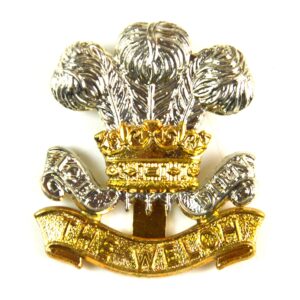
- 5 Infantry Brigade: 2nd Battalion, Scots Guards; 1st Battalion, Welsh Guards; 1/7th Gurkha Rifles
- Parachute Regiment: 2 Para and 3 Para, attached to 3 Commando Brigade
- Special Forces: 22 SAS Regiment and the Special Boat Squadron (SBS)
- Supporting arms: 29 Commando Regiment RA, 59 Independent Commando Squadron RE, various signals, logistics, medical, and air defence units
Naval Forces
The Royal Navy’s surface fleet included Type 42 destroyers, Type 21 and Type 22 frigates, amphibious assault ships (HMS Fearless and HMS Intrepid), and the two carriers. The submarine force included nuclear-powered attack submarines (SSNs) — HMS Conqueror’s sinking of the Argentine cruiser ARA General Belgrano on 2 May was the first (and to date only) sinking of a warship by a nuclear submarine in combat.
Key Engagements
The Recapture of South Georgia (25 April 1982)
Operation Paraquet — the recapture of South Georgia by a small Royal Marines and SAS force — was the first British military success. Despite near-disaster (two SAS helicopter insertions nearly ended in catastrophe on the Fortuna Glacier), the Argentine garrison surrendered without a fight after a demonstration of naval firepower.
The Landings at San Carlos (21 May 1982)
The main amphibious landing at San Carlos Water — “Bomb Alley” — on 21 May established the beachhead from which the land campaign would be launched. Argentine air attacks over the following days were ferocious: HMS Ardent, HMS Antelope, and HMS Coventry were sunk, and several other ships damaged. However, the landing force established itself ashore and began moving east towards Stanley.
The Battle of Goose Green (28–29 May 1982)
2 Para’s attack on the Argentine garrison at Darwin and Goose Green was the first major land battle. Lieutenant-Colonel Herbert “H” Jones led the battalion in a frontal assault against an entrenched enemy approximately three times its number. Jones was killed leading a charge against an Argentine position — an action for which he was posthumously awarded the Victoria Cross. The battle resulted in the surrender of 1,400 Argentine troops.
The “Yomp” and the “Tab”
The most remarkable feature of the land campaign was the speed of the advance towards Stanley. 45 Commando “yomped” (Royal Marine slang for marching under heavy load) across East Falkland while 3 Para “tabbed” (Parachute Regiment equivalent) approximately 50 miles over trackless, waterlogged terrain in winter conditions, carrying loads of up to 120 pounds per man. This achievement — more demanding than any comparable march in modern British military history — astonished military observers worldwide.
The Final Battles (11–14 June 1982)
The ring of mountains west of Stanley was taken in a series of night attacks:
- Mount Longdon: 3 Para fought a brutal 12-hour night battle, suffering 23 killed — the heaviest loss in a single engagement. Sergeant Ian McKay was posthumously awarded the VC for his assault on a machine-gun position.
- Two Sisters: 45 Commando RM took this feature in a textbook night attack with naval gunfire support.
- Mount Harriet: 42 Commando RM outflanked the Argentine defences in an approach march of great boldness.
- Tumbledown: 2nd Scots Guards fought one of the fiercest close-quarter actions of the war against determined Argentine marine infantry.
- Wireless Ridge: 2 Para’s second major engagement of the war, supported by armour (Blues and Royals light tanks) and artillery.
Argentine resistance collapsed on 14 June, and General Menéndez surrendered approximately 11,000 troops to Major-General Jeremy Moore.
Casualties
British: 255 killed, 777 wounded. Argentine: approximately 649 killed, 1,657 wounded, 11,313 captured. Civilian: three Falkland Islanders killed.
Collecting Falklands War Militaria
One of the Hottest Collecting Fields
Falklands War militaria is one of the fastest-growing and most valuable areas of modern British military collecting. The combination of a well-documented, relatively recent conflict, the small number of units involved, strong regimental pride, and the campaign’s dramatic narrative drives intense collector demand.
Medals
| Medal Type | Approximate Price Range (2026) |
|---|---|
| South Atlantic Medal (general service, non-combat units) | £2,000–£4,000 |
| South Atlantic Medal to Royal Navy (ship’s company) | £3,000–£6,000 |
| SAM to Royal Marines (3 Cdo Bde) | £5,000–£10,000 |
| SAM to Parachute Regiment | £6,000–£12,000 |
| SAM to 2 Para (Goose Green) | £8,000–£15,000+ |
| SAM with rosette (wounded/under fire) | Premium of 50%+ |
| Gallantry awards (MC, MM, DFC etc.) | £15,000–£50,000+ |
Equipment and Uniform
- DPM smock: The Disruptive Pattern Material combat smock in its 1960/1968 pattern was the standard outer garment. Confirmed Falklands issue examples: £200–£800.
- SLR (L1A1 Self-Loading Rifle): The standard infantry weapon. Deactivated examples with Falklands provenance: £1,500–£4,000.
- Green beret / maroon beret: The Royal Marines green beret and the Parachute Regiment maroon beret from confirmed Falklands veterans. £200–£500 with provenance.
- Clansman radios, Canberra souvenirs, task force memorabilia: A wide range of associated items from the campaign is actively collected.
A Growing Market
Falklands collecting is unusual in that many veterans are still alive and active in the collector community. This creates opportunities for documented provenance that simply do not exist for older conflicts. However, the passing of time will inevitably reduce the supply of directly-provenanced items, making well-documented Falklands groups and equipment excellent long-term investments for the collector market.
Frequently Asked Questions
How much is a South Atlantic Medal worth?
South Atlantic Medals vary significantly by unit: basic RN ship's company u00a33,000-u00a36,000, Royal Marines Commando u00a34,000-u00a38,000, Parachute Regiment u00a35,000-u00a310,000, SAS/SBS u00a310,000-u00a315,000+. Gallantry groups can exceed u00a350,000.
Why are Falklands items so valuable?
The Falklands War involved a relatively small number of personnel (approximately 28,000 in the task force), making items scarce. It was the last significant conventional war fought by British forces, and veterans are still living, creating strong demand.
Sources & References
- Hastings, M. and Jenkins, S., The Battle for the Falklands
- Freedman, L., The Official History of the Falklands Campaign
- Adkin, M., Goose Green

Related Items in Our Collection8 items